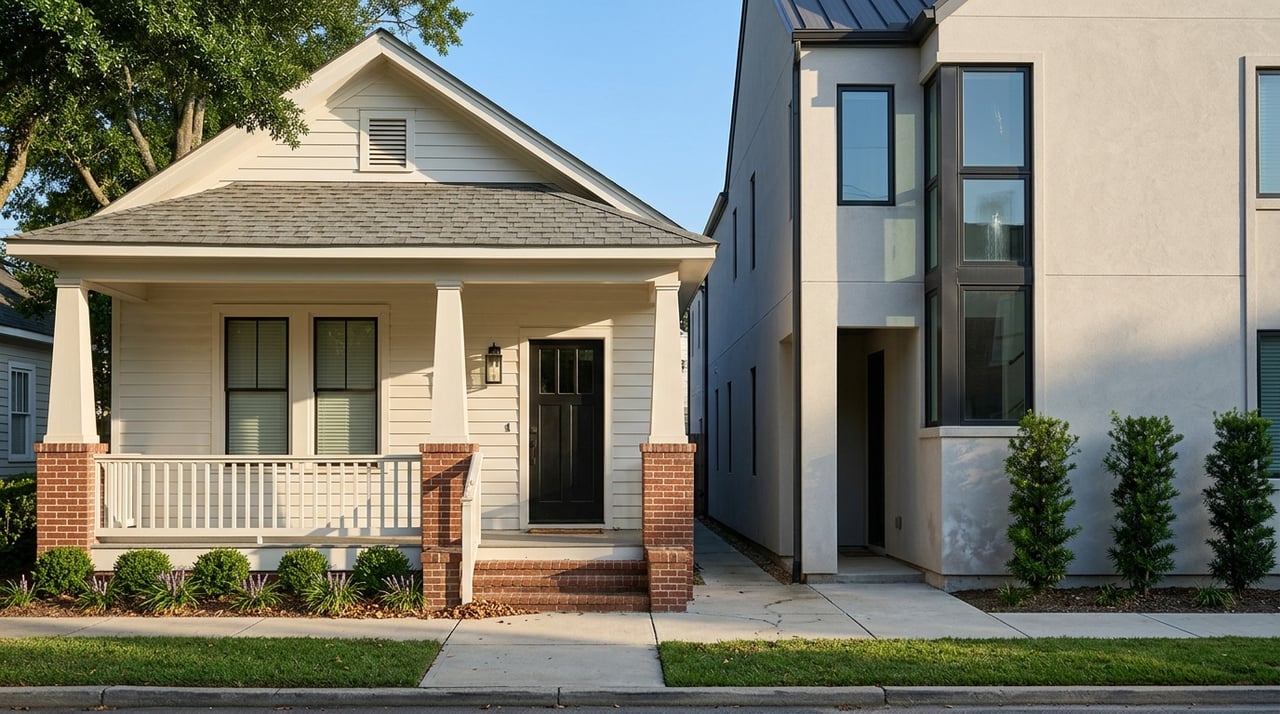
Trying to choose between a classic bungalow and a newer townhome in Greater Heights? It is a common question, and the answer is not always about price alone. In a neighborhood with historic homes, newer infill development, and strong buyer demand, your best fit often comes down to how you want to live day to day. This guide will help you compare maintenance, outdoor space, parking, renovation flexibility, and resale so you can make a more confident decision. Let’s dive in.
Why this choice matters in Greater Heights
Greater Heights is one of Houston’s most walkable neighborhoods, with a Walk Score of 73, a bike score of 63, and some transit access. The area also benefits from strong trail connections, including the White Oak Bayou Greenway and Heights Hike and Bike Trail. That means your home choice affects more than square footage. It shapes how you move through the neighborhood and use your time.
This is also a market where details matter. Recent data from Redfin’s Greater Heights housing market report shows an active, high-value market, while local reporting from HAR points to balanced inventory conditions. In practical terms, both bungalows and townhomes can be appealing, but buyers often prioritize very different features in each.
What defines a Heights bungalow
In Houston Heights, many older homes reflect the area’s long history. The neighborhood was founded in 1891, became Texas’ earliest planned community, and today includes three city-recognized historic districts: West, East, and South Heights. That history is a big reason bungalows remain so desirable.
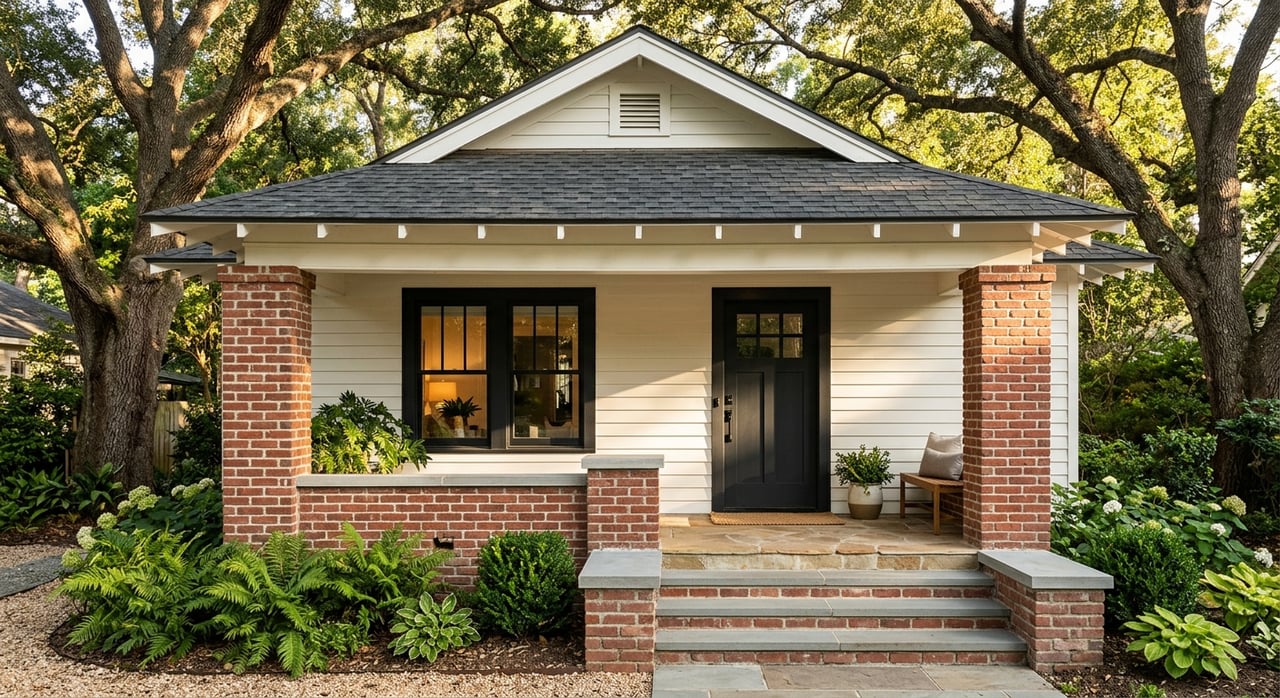
The City of Houston describes Heights homes as mostly one- or two-story single-family residences in styles like Queen Anne, Craftsman, Folk National, and Folk Victorian. The classic bungalow look typically includes low-pitched roofs, wide eaves, front porches, wood siding, and pier-and-beam foundations. If you are drawn to architectural character and a traditional streetscape, this style often stands out right away.
Why buyers love bungalows
For many buyers, the appeal is emotional and practical at the same time. A bungalow can offer charm, a more established lot feel, mature trees, and a porch-centered layout that feels connected to the street. In Greater Heights, that combination is hard to replicate in newer construction.
Bungalows may also offer more yard space, but that depends heavily on the specific address. The city notes that many Heights residential blocks were originally platted with 50-foot lots, though some streets in West Heights include narrower 33-foot lots. So even within the same area, yard depth, driveway setup, and parking can vary quite a bit.
Where bungalows require more thought
A bungalow is often a better fit if you are comfortable managing upkeep and possibly future repairs. Older homes can come with more owner-managed exterior maintenance, and renovation plans may require closer review if the home is in a historic district. That does not make them harder to own across the board, but it does mean you should think beyond the listing photos.
If a property sits within one of the Heights historic districts, exterior alterations often need advance approval. The city notes that additions should remain compatible with the home’s massing, size, scale, and street context, and second-story additions are generally expected to be set back from the front facade. If you want maximum design freedom, this is an important factor to weigh early.
What defines a Heights townhome
A townhome is generally a home with its own exterior entry that sits side by side with other units and shares at least one wall. Freddie Mac’s definition of a townhome highlights that ownership structure, which often comes with an HOA. In Greater Heights, many buyers consider townhomes when they want to stay in the neighborhood but prefer a more low-maintenance setup.
Townhomes are often appealing because they simplify some of the work that comes with homeownership. Depending on the community, HOA fees may help cover common-area maintenance and can also govern issues like parking and exterior standards. That structure can create a more predictable ownership experience, especially if you travel often or want a more turnkey home.
Why buyers choose townhomes
The biggest draw is convenience. If you want less yard work, less exterior maintenance, and a home that may feel easier to lock and leave, a townhome can be a practical choice. For some buyers, that tradeoff is worth more than having a detached structure or a larger lot.
Townhomes can also appeal if you want a more modern layout inside Greater Heights without taking on a restoration project. Because the neighborhood mixes old and new housing stock, this can be a way to enjoy the location while reducing the maintenance demands that often come with older construction.
Where townhomes require more review
The tradeoff is usually less privacy, recurring HOA fees, and less control over exterior changes. Freddie Mac notes that HOAs may set rules on parking and exterior appearance, so it is important to review those details before you commit. Two townhomes on different streets can offer very different ownership experiences.
You will also want to verify guest parking, garage access, and any limits on exterior updates. It is easy to assume all townhomes offer the same convenience, but in Greater Heights, those features can vary significantly by subdivision or community.
Bungalow vs townhome: key factors
Maintenance and upkeep
If your goal is lower day-to-day exterior responsibility, the townhome usually has the edge. HOA-managed maintenance can make costs feel more predictable, even though you will pay monthly dues. For many busy professionals, relocation buyers, or downsizers, that convenience matters.
A bungalow often gives you more direct control, but also more direct responsibility. If the home is older or located in a historic district, exterior repairs and updates may take more planning. If you enjoy stewardship of a distinctive home, that can feel rewarding. If you want simplicity, it may feel like extra work.
Outdoor space and lot feel
If outdoor space is high on your list, the bungalow often wins, but not automatically. In Greater Heights, lot dimensions are highly address-specific, and older platted lots can differ from block to block. A bungalow on a wider lot may give you more usable yard area, while another may have limited depth or parking constraints.
Townhomes usually trade private yard space for a more compact footprint and shared walls. That can work well if you want less exterior upkeep, but it may not suit you if gardening, pets, or outdoor entertaining are priorities.
Parking and access
Parking is one of the most important items to verify in Greater Heights. With bungalows, parking potential often depends on original lot width, driveway configuration, and whether the property has been updated over time. Historic district considerations may also affect what changes are possible.
With townhomes, parking can be more structured, but not always more flexible. You should confirm garage setup, guest parking, and any HOA policies before you assume the home will work for your needs.
Renovation flexibility
If you like the idea of customizing a home over time, a bungalow may offer great potential, but the rules matter. In the Heights historic districts, exterior changes may need approval unless they qualify for an exemption. That process can protect the area’s architectural character, but it may also shape what you can do and how quickly you can do it.
Townhomes typically come with their own exterior standards through the HOA. That can be helpful if you prefer consistency and do not want to think much about exterior design decisions. It can be limiting if you want broad freedom to change the look of the home.
Lifestyle fit
A bungalow often suits buyers who value character, porch life, and the feel of a detached home in a historic neighborhood. A townhome often fits buyers who want convenience, less exterior work, and a more turnkey daily routine. Neither option is better across the board. The right fit depends on how you want to spend your time and what tradeoffs you are comfortable making.
Which is more affordable in Greater Heights?
There is no simple winner on price in Greater Heights. Market data varies by source because each source measures slightly different things, but the broader picture is consistent: this remains a high-value market. According to Redfin’s neighborhood data, median sale prices and days on market show active demand, while other local sources point to similar strength.
In real life, the bigger price swing usually comes from the property itself rather than the label of bungalow or townhome. Lot size, renovation level, condition, garage or parking setup, and whether a home sits in a historic district can all influence value. That is why a street-by-street and property-by-property review matters more than broad assumptions.
How resale potential compares
Both home types can resell well in Greater Heights if they are priced correctly and present well. The buyer pool is simply different. Bungalows tend to attract buyers who value architectural authenticity, detached living, and lot characteristics, while townhomes often appeal to buyers who prioritize a turnkey setup and lower-maintenance ownership.
Because inventory is not excessive and demand remains steady, resale often comes down to condition, exact location, parking, and how well the home aligns with what buyers in that price point want. In other words, home type matters, but execution matters too.
How to make the right choice
If you are torn between the two, start with your daily lifestyle rather than the marketing description. Ask yourself how much exterior maintenance you want to manage, how important private outdoor space is, whether HOA rules would bother you, and how much renovation flexibility you may want in the future.
Then narrow the search to specific blocks and properties. In Greater Heights, historic district boundaries, lot widths, and HOA rules can all change the experience from one address to the next. A thoughtful property review can save you time, protect your budget, and help you buy with more confidence.
If you want a clear, private strategy for comparing Heights bungalows and townhomes, Albert Cantu can help you evaluate the tradeoffs, identify the right fit for your lifestyle, and navigate the process with a consultative approach.
FAQs
Which home type in Greater Heights usually costs less to maintain?
- In general, townhomes often have lower owner-managed exterior maintenance because an HOA may cover common-area upkeep and some exterior responsibilities, while bungalows usually involve more direct owner oversight.
Which home type in Greater Heights usually has more outdoor space?
- Bungalows often offer more private yard space, but lot size and usability vary by address, especially since Heights lots can differ in width and depth.
Which home type in Greater Heights offers more renovation freedom?
- It depends on the property, but bungalows in historic districts may face exterior alteration rules from the City of Houston, while townhomes often have HOA restrictions on exterior changes.
Which home type in Greater Heights has better resale potential?
- There is no single winner. In Greater Heights, resale often depends on condition, location, parking, lot characteristics, and how well the home matches buyer demand at its price point.
Which home type in Greater Heights is better for a low-maintenance lifestyle?
- Townhomes are often the better fit if you want a more turnkey ownership experience with less yard work and more predictable exterior upkeep.