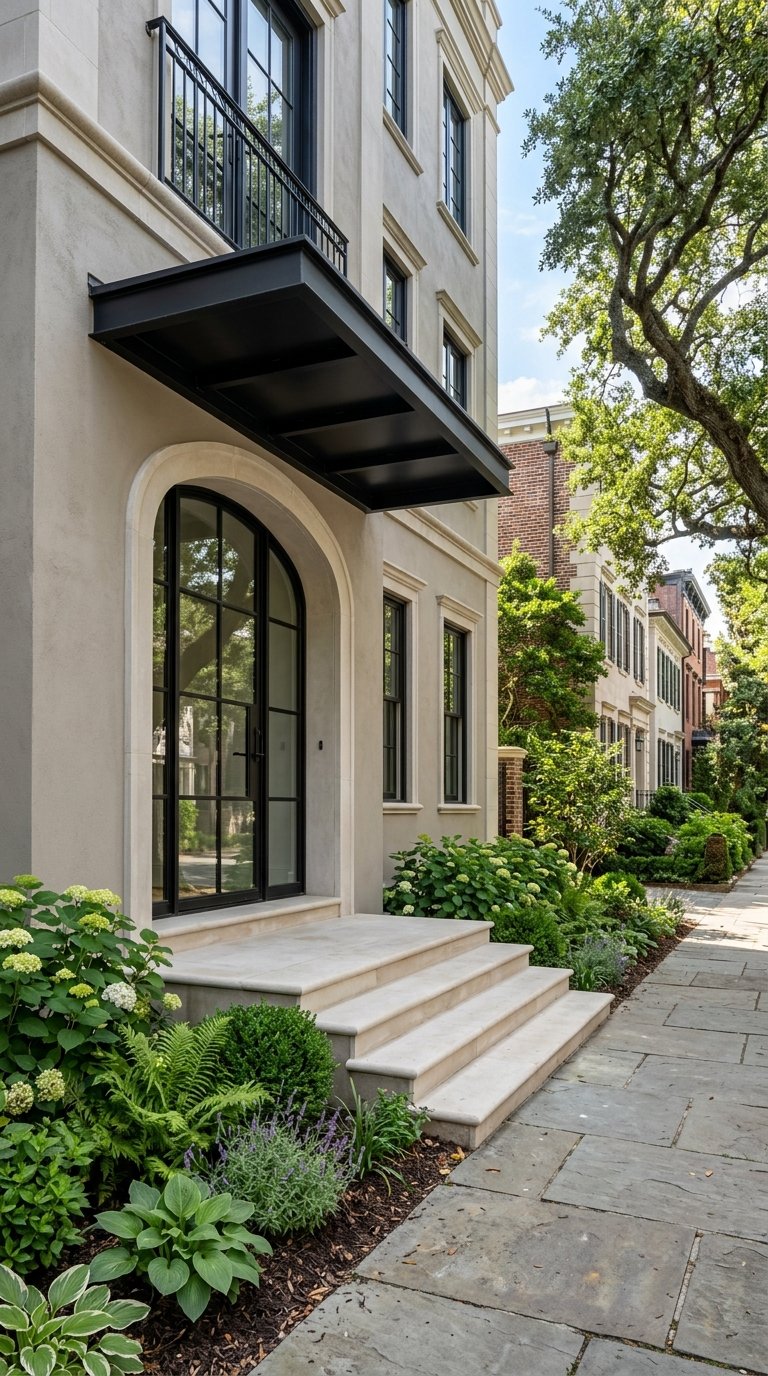
If you want a Houston neighborhood where museums, green space, and rail access shape your daily routine, the Museum District stands out quickly. You may be comparing Inner Loop areas and wondering whether this one offers real convenience or just a strong visitor appeal. The good news is that the Museum District combines cultural access, a major urban park, and a wide mix of home options in one of Houston’s most established central locations. Let’s take a closer look.
Why Museum District living stands out
The Museum District is recognized by the City of Houston as one of the city’s cultural districts. The city describes cultural districts as state-certified zones that use cultural resources as an economic development asset, which helps explain why this area feels so active and destination-driven.
For everyday living, that translates into a neighborhood with strong identity and consistent activity. Official district materials highlight 19 museums and 4 walkable or bikeable zones, while the City’s Museum Park super neighborhood page describes the area as a walkable community with both historic homes and newer residential development. If you are looking for an Inner Loop address with a clear sense of place, that mix is a big part of the appeal.
Culture shapes daily life
Living here means some of Houston’s most recognized destinations are part of your normal routine, not just weekend plans. Visit Houston’s Museum District overview notes that the area is home to Hermann Park, the Houston Zoo, and a large concentration of museums just south of Downtown.
That cultural density can be especially attractive if you value easy access to exhibits, performances, and public spaces without planning a full cross-town trip. It also gives the neighborhood a rhythm that feels more urban than many other parts of Houston. For buyers relocating from denser cities, that can be a meaningful advantage.
Hermann Park adds everyday breathing room
One of the biggest benefits of Museum District living is direct access to Hermann Park. At 445 acres and with about six million visitors a year, it is not just a nearby park. It is a major part of the neighborhood experience.
The park is open daily from 6 a.m. to 11 p.m., which gives you flexibility for morning walks, afternoon breaks, and evening outings. Amenities include the Hermann Park Railroad, pedal boats, McGovern Centennial Gardens, the Japanese Garden, and the Commons. Miller Outdoor Theatre also offers free performances from March through October, which adds another layer to the area’s outdoor lifestyle.
For many buyers, especially professionals working long hours, that kind of green space matters. You get a central location without giving up access to open air, trails, and places to unwind close to home.
Transit makes the area more usable
Houston is still a car-oriented city, but the Museum District is one of the places where you can realistically reduce how often you drive. According to METRO’s Rail service information, the Red Line serves Museum District Station and runs every 6 minutes on weekdays and every 12 minutes on weekends for most operating hours.
That line connects the district with Downtown, Midtown, the Texas Medical Center, and NRG Stadium. METRO also lists nearby bus routes including 5 Southmore, 11 Almeda/Lyons, 56 Airline/Montrose, and 65 Bissonnet. If you work in the Medical Center, commute downtown, or simply want more transportation options, this level of service is a real plus.
Walkability and city tradeoffs
A common question is whether the Museum District is actually walkable by Houston standards. Based on the city and tourism sources in the research, the answer is yes. The neighborhood is widely described as walkable, bikeable, and unusually car-light for Houston.
That said, urban convenience comes with urban tradeoffs. Parking is managed more like a city neighborhood than a suburban one, and the City of Houston’s Museum Park materials indicate that parking management is part of local daily life. If you are considering the area, it helps to think in terms of convenience, access, and street activity rather than suburban ease of parking.
Museum District restaurants and local outings
Dining is part of the neighborhood’s appeal, especially near the museum core. Visit Houston’s Museum District restaurant guide highlights casual options like Bodegas Taco Shop and Green Seed Vegan, along with café-style to upscale spots such as Café Leonelli, MF Sushi, and Le Jardinier.
For you as a resident, that means daily life can feel varied and flexible. You can keep things simple with a quick casual meal or plan a more polished night out without leaving the neighborhood. In a central Houston location, that kind of range can add a lot to your quality of life.
Home options in the Museum District
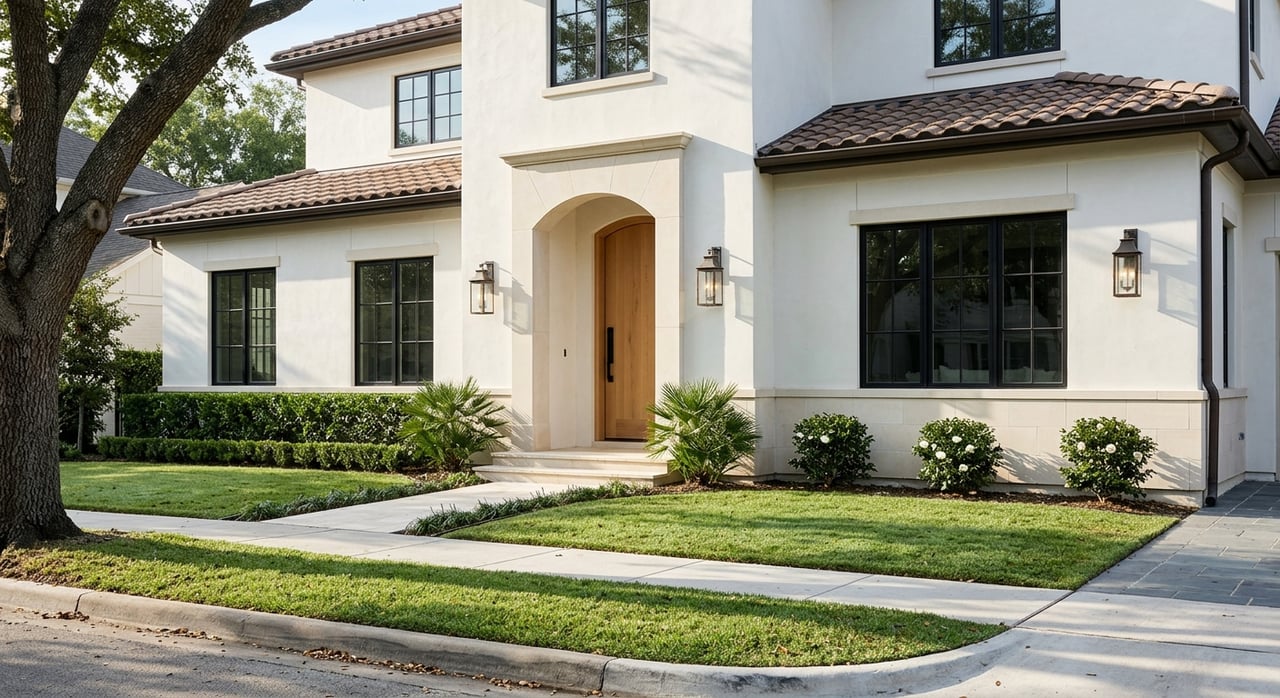
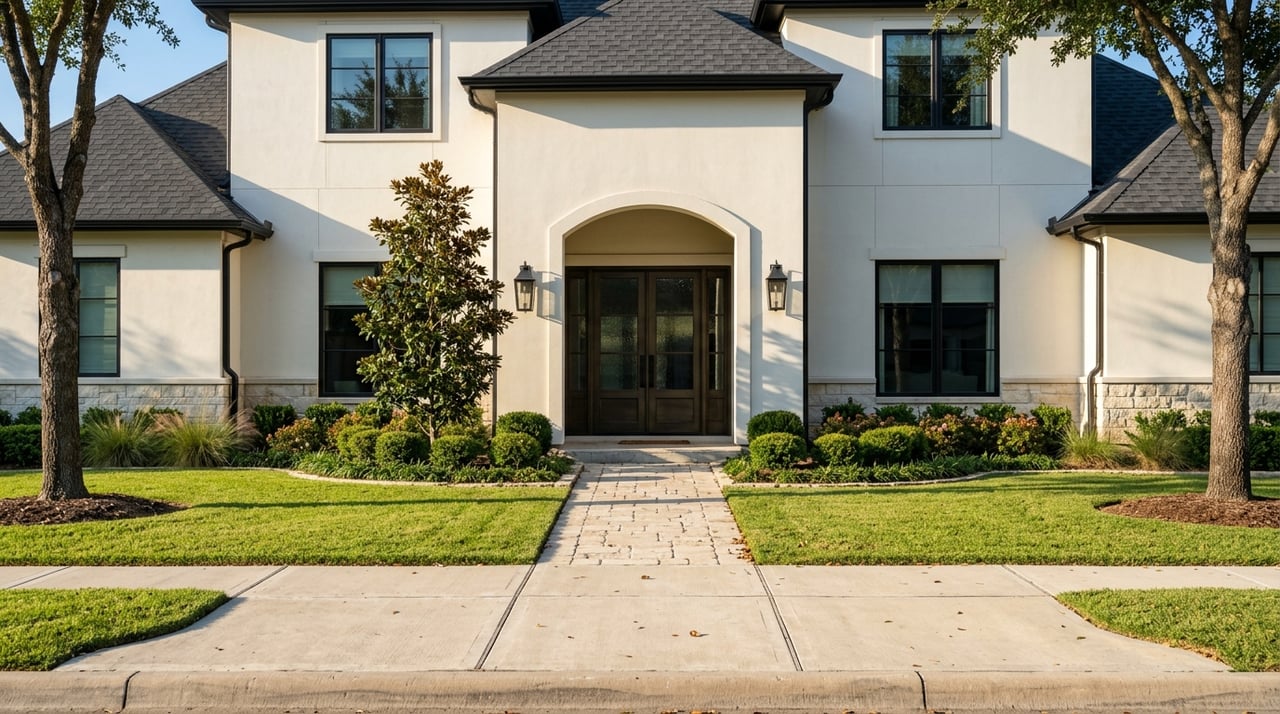
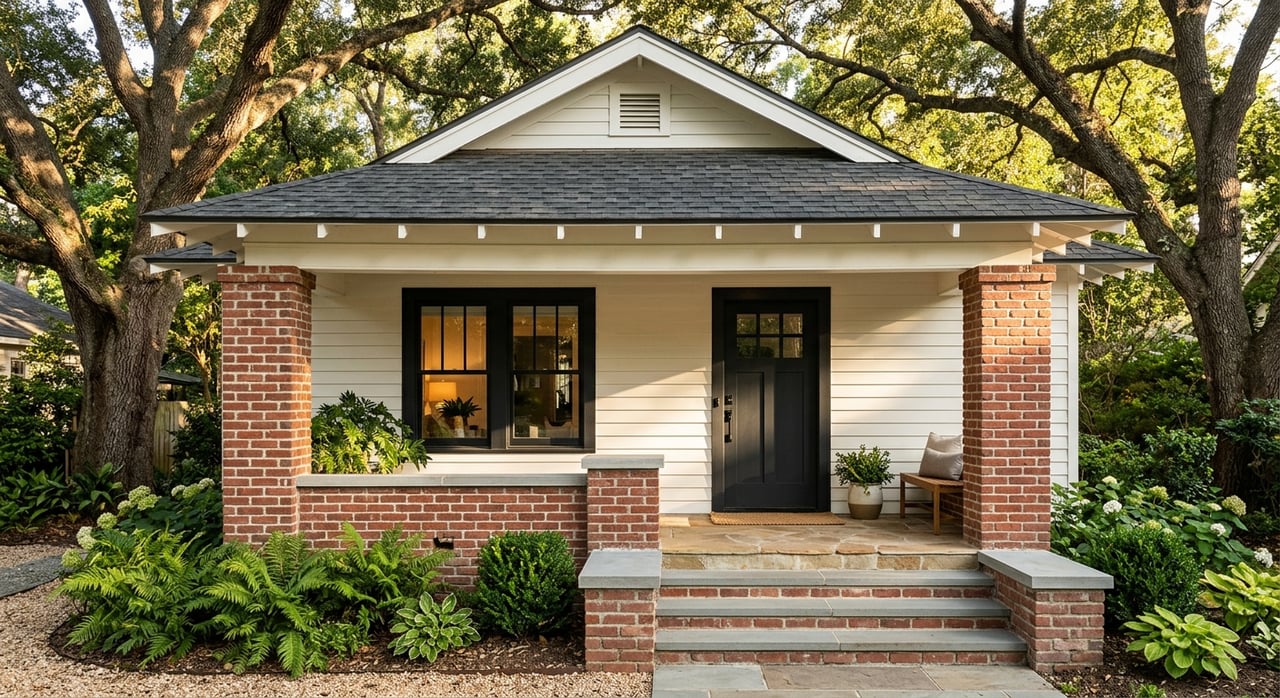
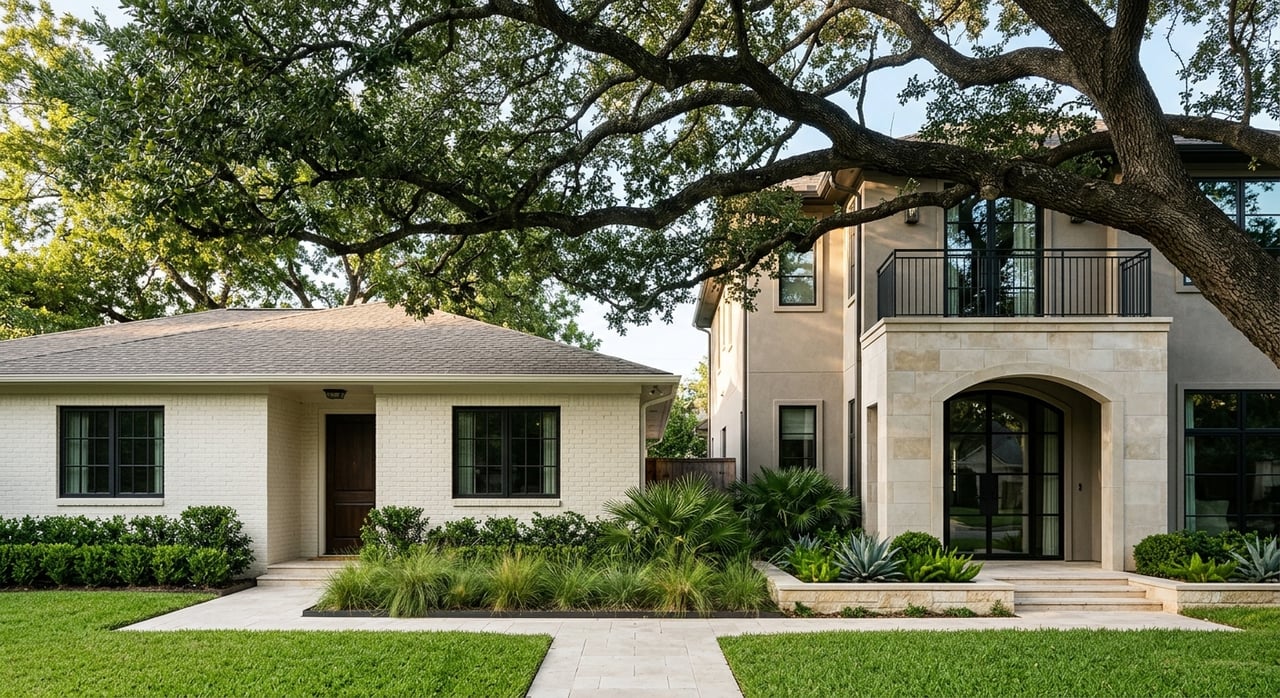
Housing in the Museum District is compact, urban, and varied. Current listing data in the research shows a mix of condos, townhomes, and single-family homes, which gives buyers several ways to enter the neighborhood depending on budget, space needs, and lifestyle goals.
If you want lower-maintenance living, condos are an obvious starting point. If you need more privacy or room but still want a central address, townhomes and detached homes may be a better fit. Because the area includes both older properties and newer development, your home search may involve tradeoffs among architecture, updates, square footage, parking, and lock-and-leave convenience.
Condo price range
Current Museum District condo listings run from about $193,900 to $333,333. The same source shows apartment-style rental listings from about $1,751 to $5,275 per month, with one larger building showing a wider $2,248 to $6,118 range.
That makes the condo segment worth considering if you want access to the neighborhood’s core lifestyle with less exterior maintenance. It may also appeal if you split time between Houston and another city and prefer a more lock-and-leave setup.
Townhome price range
Current Museum District townhome listings run from about $319,000 to $649,000. Several examples in the research cluster around $440,000 to $608,000 for three-bedroom, three-and-a-half-bath layouts.
Townhomes often appeal to buyers who want more vertical space and private garage parking while staying close to the district’s cultural core. Depending on the property, you may also find newer construction and more contemporary layouts than in some older housing pockets nearby.
Single-family home price range
Current single-family listings in the Museum District span roughly $315,000 to $950,000. Many three-bedroom homes fall in the mid-$300,000s to mid-$500,000s, while some newer construction is listed around $739,000 to $754,990.
For buyers who want a detached home near museums, the park, and rail, this category can be especially interesting. Inventory, however, may vary widely in age, condition, and style, so it helps to compare options carefully rather than relying on price alone.
What broader pricing suggests
For neighborhood-wide context, Realtor.com’s local market page reports a median home sale price of $543,499 and a median rental price of $2,195. The research also notes that Redfin reports a February 2026 median sale price of $675,000 and a median sale price per square foot of $204.
These figures are best treated as directional rather than exact. Neighborhood boundaries and reporting windows can differ by platform. Still, they give you a useful sense that the Museum District spans multiple price points while remaining firmly positioned as a central, in-demand Houston neighborhood.
Who the Museum District fits best
This area tends to make the most sense for buyers who prioritize location, culture, park access, and transit over a more suburban setup. It can be especially appealing for relocators, Medical Center professionals, and buyers who want an Inner Loop lifestyle with walkable destinations.
It may also work well if you value convenience and experience more than lot size. If your ideal routine includes rail access, museum outings, evenings in the park, and a shorter trip to central Houston destinations, the Museum District checks a lot of boxes.
How to evaluate homes here
When you tour properties in the Museum District, it helps to look beyond finishes alone. Focus on how the home supports your daily routine and how well it matches the neighborhood’s urban character.
A few smart questions to keep in mind include:
- How close is the property to rail access or major neighborhood destinations?
- What is the parking setup for residents and guests?
- Does the home offer a lock-and-leave lifestyle or more hands-on maintenance?
- How much value do you place on being near Hermann Park and the museums?
- Are you prioritizing condo convenience, townhome space, or detached-home privacy?
Those details can shape your experience as much as square footage or list price.
If you are weighing whether the Museum District aligns with your goals, a neighborhood-specific strategy can save time and sharpen your search. Albert Cantu provides discreet, consultative guidance for Houston buyers, sellers, and relocation clients who want experienced representation in key Inner Loop neighborhoods.
FAQs
Is the Museum District in Houston walkable?
- Yes. City and tourism sources describe the Museum District as a walkable, bikeable area, and it is considered unusually car-light for Houston.
Does the Museum District have rail access?
- Yes. METRO’s Red Line serves Museum District Station and connects the area to Downtown, Midtown, the Texas Medical Center, and NRG Stadium.
What types of homes are available in the Museum District?
- Current listings show a mix of condos, townhomes, and single-family homes, with both older residences and newer development in the neighborhood.
How much do Museum District homes cost?
- Based on current listing data in the research, condos run about $193,900 to $333,333, townhomes about $319,000 to $649,000, and single-family homes about $315,000 to $950,000.
Is Hermann Park a major benefit of living in the Museum District?
- Yes. Hermann Park is a 445-acre green space with gardens, recreational amenities, and seasonal free performances at Miller Outdoor Theatre, making it one of the neighborhood’s biggest lifestyle draws.