If you look at Afton Oaks and only see older ranch homes or flashy new construction, you may miss what really drives value here. In this part of Houston, buyers often pay for more than the house standing on the lot today. They are also weighing land utility, deed restrictions, tree constraints, and the long-term upside of the address itself. Let’s dive in.
Why Afton Oaks draws long-term demand
Afton Oaks is a deed-restricted Inner Loop neighborhood founded in 1951, with about 525 homes according to the Civic Club. It sits between the Galleria and Highland Village, which places you in a highly connected part of Houston with close access to major retail and dining areas. That location helps explain why Afton Oaks continues to attract buyers looking for both convenience and long-term value.
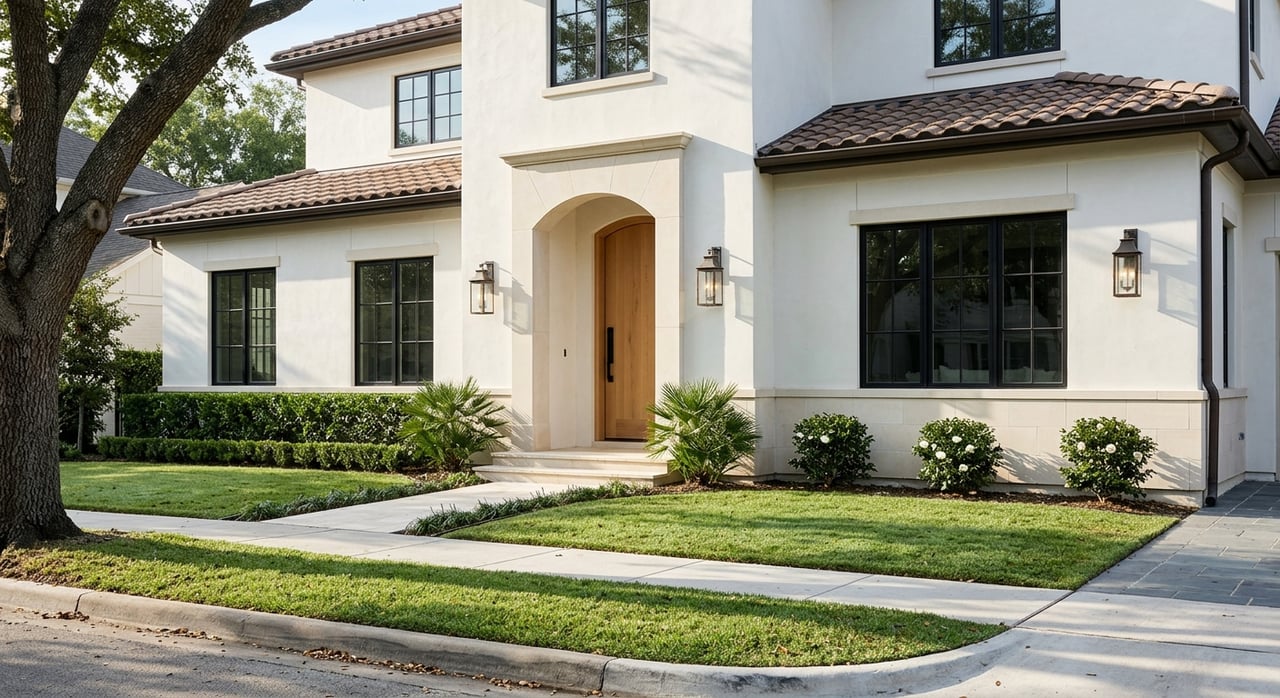
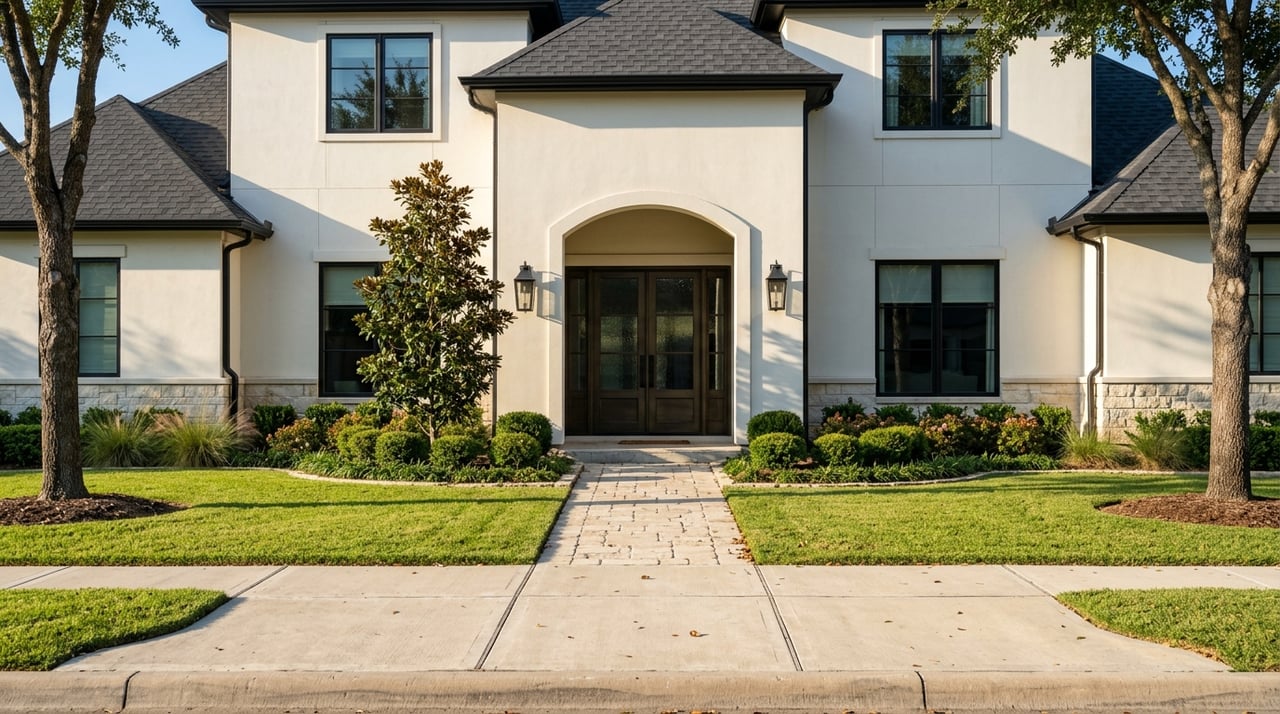
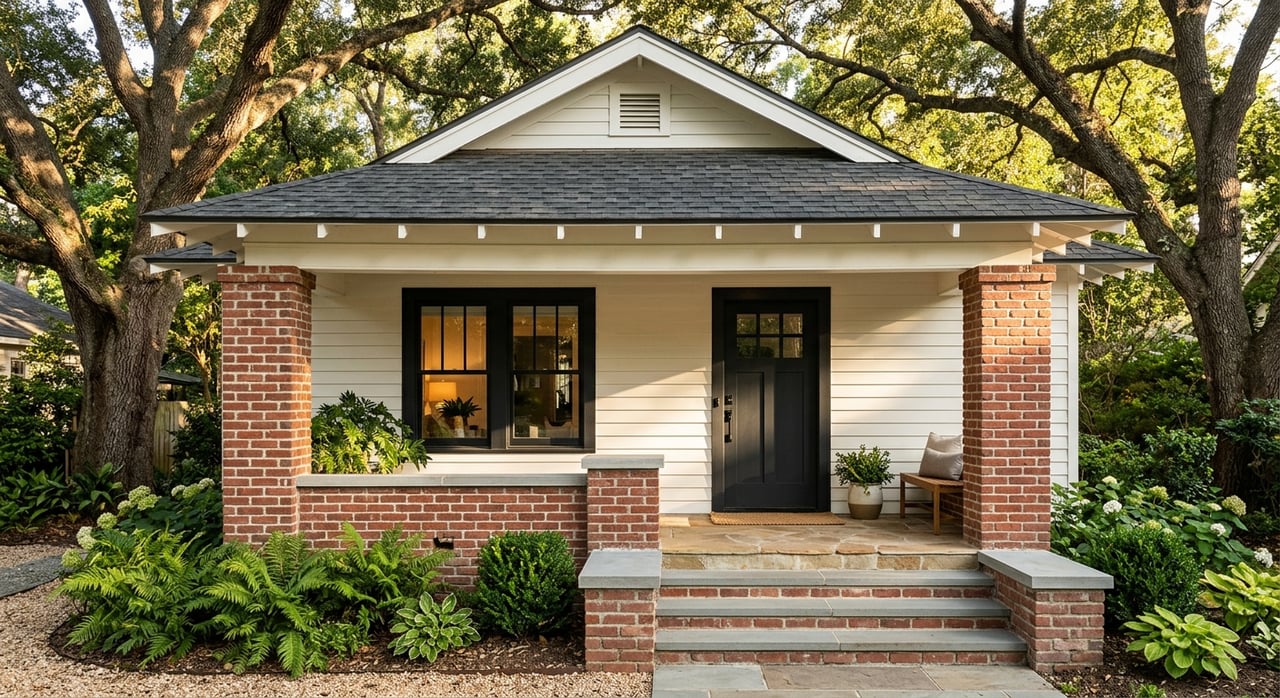
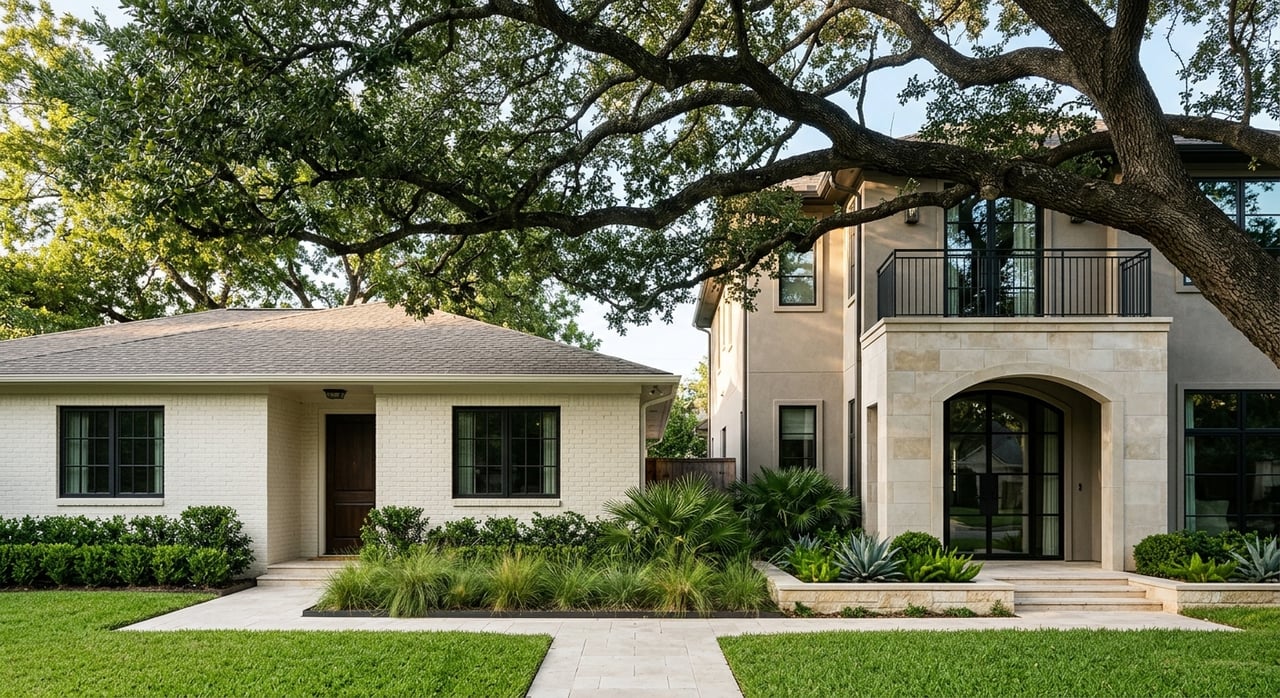
The neighborhood is also known for its quiet tree canopy and a housing mix that includes updated ranch-style homes and architecturally significant new construction. That blend gives Afton Oaks a layered market. You are not looking at a one-note neighborhood where every property fits the same value formula.
Why teardowns matter in Afton Oaks
In many Houston neighborhoods, an older home is simply an older home. In Afton Oaks, it can also represent a future building site in a high-value corridor. That is why teardown conversations are such a big part of the local real estate story.
Current listings show how wide the value range can be. A 1948 home at 3318 Mid Ln is being marketed at $700,000 as an opportunity to design and build on a premium lot. At the same time, a property at 4539 Bryn Mawr Ln is listed at $1,550,000 with renovation or clear-and-rebuild potential, while newer luxury construction in the neighborhood reaches well above $2 million.
That spread tells you something important. In Afton Oaks, the existing structure is not always the full story. Buyers may be underwriting the lot, the location, and the replacement potential just as much as the current improvements.
Why new builds command a premium
New construction carries a premium in Afton Oaks because it often delivers what today’s luxury buyers want most. That usually includes larger primary suites, updated floor plans, indoor-outdoor living features, and more current finishes. In a neighborhood with mature surroundings and strong location appeal, a well-executed new build can sit at the top of the pricing stack.
Public listings make that clear. A new-construction home at 3615 Newcastle Dr is listed at $2,199,950, while 3106 Newcastle Dr, a 2026 build, is listed at $3,750,000 with 5,561 square feet, an 8,241-square-foot lot, a first-floor primary suite, private elevator, and pool. These examples show how the market rewards newer homes that combine modern design with an established Afton Oaks address.
Value is tied to more than square footage
One of the biggest mistakes you can make in Afton Oaks is evaluating homes by square footage alone. This is a neighborhood where lot utility can matter just as much as the home currently on the property. A smaller house on a workable lot may have very different value potential than a larger house with more design limitations.
HAR’s neighborhood profile lists 436 single-family properties, a median lot size of 8,760 square feet, a median year built of 1958, and a median appraised value of $1,172,827. Redfin’s market snapshot shows a median sale price of $1,348,750 in March 2026, up 43.7% year over year. The broader 2024 city profile for the Afton Oaks / River Oaks area reports a median house value of $1,389,727, reinforcing that Afton Oaks sits in a very strong value corridor.
The lot is not always fully buildable
This is where Afton Oaks becomes more nuanced than it may first appear. The neighborhood is made up of nine different subdivisions, and deed restrictions are section- and lot-specific. That means two homes with similar lot sizes may not offer the same redevelopment path.
The history of Section Seven shows why that matters. According to the neighborhood history, when Section Seven’s restrictions lapsed, multiple dwellings were built there. In other sections, common restrictions prohibit commercial activity and limit occupancy to one single-family residence per lot.
If you are buying a teardown or planning a major renovation, this is not a detail to gloss over. The exact subdivision section and recorded restrictions can directly affect what you can build. That is one reason serious buyers should confirm the lot’s specific restrictions early in the process.
Trees can shape the final design
In Afton Oaks, trees are part of the value proposition. They are not just attractive features along the street. The Civic Club notes that the neighborhood sits under a tree canopy, performs tree preservation and replacement work, and protects trees through deed restrictions.
That has real implications for buyers and builders. Trees may not be removed without pre-approval, and the City of Houston tree ordinance also sets standards aimed at preserving existing trees and requiring landscape buffers. In practical terms, tree placement can affect your building footprint, driveway layout, garage configuration, and even whether a future pool fits the way you imagined.
For that reason, teardown buyers should not assume that a large lot automatically equals maximum build freedom. A tree plan can be just as important as the survey when you are assessing feasibility.
What buyers should compare carefully
If you are deciding between an original ranch home and a new build, the tradeoff usually comes down to price efficiency versus turnkey convenience. An original home may offer a lower nominal entry point and the chance to renovate over time. A new build generally commands a premium, but may reduce the need for near-term updates and align more closely with current luxury preferences.
Here are a few smart due diligence items to keep in mind:
- Verify the exact subdivision section and recorded deed restrictions for the lot.
- Review tree-related limits before assuming a certain footprint, driveway, or pool plan will work.
- Compare land value against improvement value, especially for older homes marketed as rebuild opportunities.
- Factor in ongoing community costs, including AOCC 2026 dues of $1,090, which fund patrol, curbside services, landscaping, and deed-restriction enforcement.
- Weigh whether you want customization potential or move-in-ready convenience.
How to think about value in Afton Oaks
The strongest way to read Afton Oaks is this: value is increasingly tied to buildable land, protected trees, deed-restriction compliance, and the quality of the finished home. In other words, the market is not simply rewarding age or size. It is rewarding the right combination of lot, design, and location.
That helps explain why one property may be priced like a land play, another like a renovation candidate, and another like a fully realized luxury product. They are all part of the same neighborhood story. Afton Oaks supports that range because it offers both established setting and redevelopment appeal.
Why expert guidance matters here
Afton Oaks can be rewarding, but it is not a market where broad assumptions work well. Section-specific restrictions, tree protections, and wide pricing bands mean you need a clear read on what creates value on a given block and lot. That is especially true if you are weighing an off-market opportunity, a teardown purchase, or a high-end resale strategy.
When you approach the neighborhood with careful analysis, you can make smarter decisions about what to buy, what to improve, and what premium is actually justified. If you want a private, data-driven perspective on Afton Oaks opportunities, schedule a consultation with Albert Cantu.
FAQs
What makes Afton Oaks real estate different from other Inner Loop neighborhoods?
- Afton Oaks stands out for its deed restrictions, mature tree canopy, nine subdivision sections, and a market that includes original ranch homes, teardown opportunities, and luxury new builds.
Why do teardown homes have value in Afton Oaks?
- In Afton Oaks, some buyers are paying for location, lot utility, and rebuild potential as much as the existing structure, especially in a high-value corridor between the Galleria and Highland Village.
Are all Afton Oaks lots governed by the same rules?
- No. The neighborhood’s restrictions are section- and lot-specific, so buyers should verify the exact recorded restrictions tied to a property before making plans.
How do protected trees affect new construction in Afton Oaks?
- Protected trees can limit or reshape build plans by affecting footprint, driveway placement, garage layout, and outdoor features like pools.
Is a new build always a better value than an original ranch home in Afton Oaks?
- Not necessarily. A new build may offer turnkey convenience and modern features, while an original ranch may provide a lower entry price and future renovation or redevelopment potential.
What are the current price signals in the Afton Oaks housing market?
- Recent data shows a median sale price of $1,348,750 in March 2026, with public listings ranging from lot-value opportunities around $700,000 to luxury new construction priced at $3,750,000.