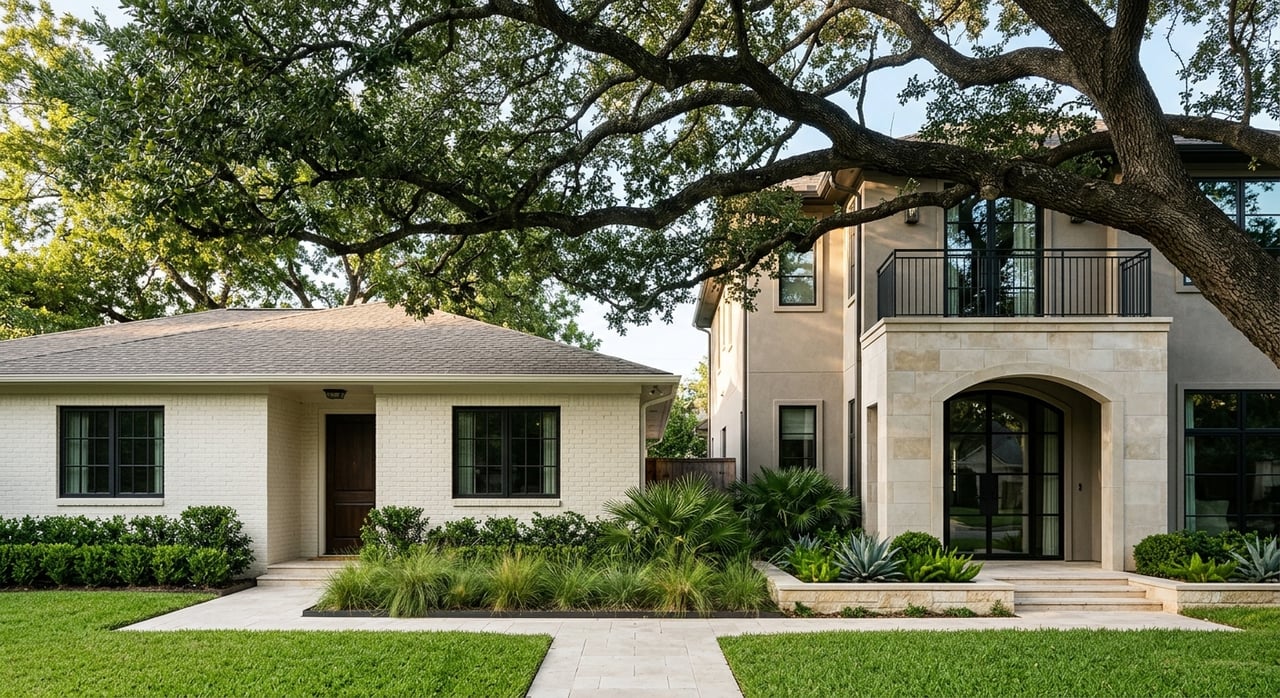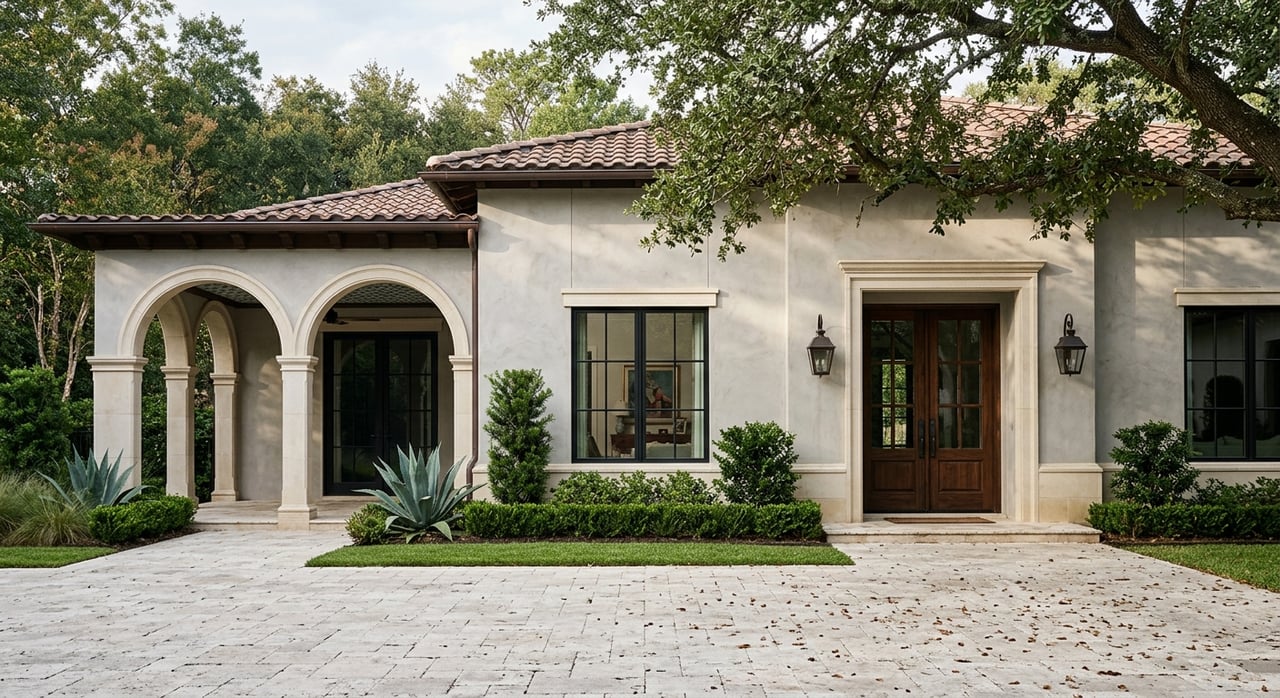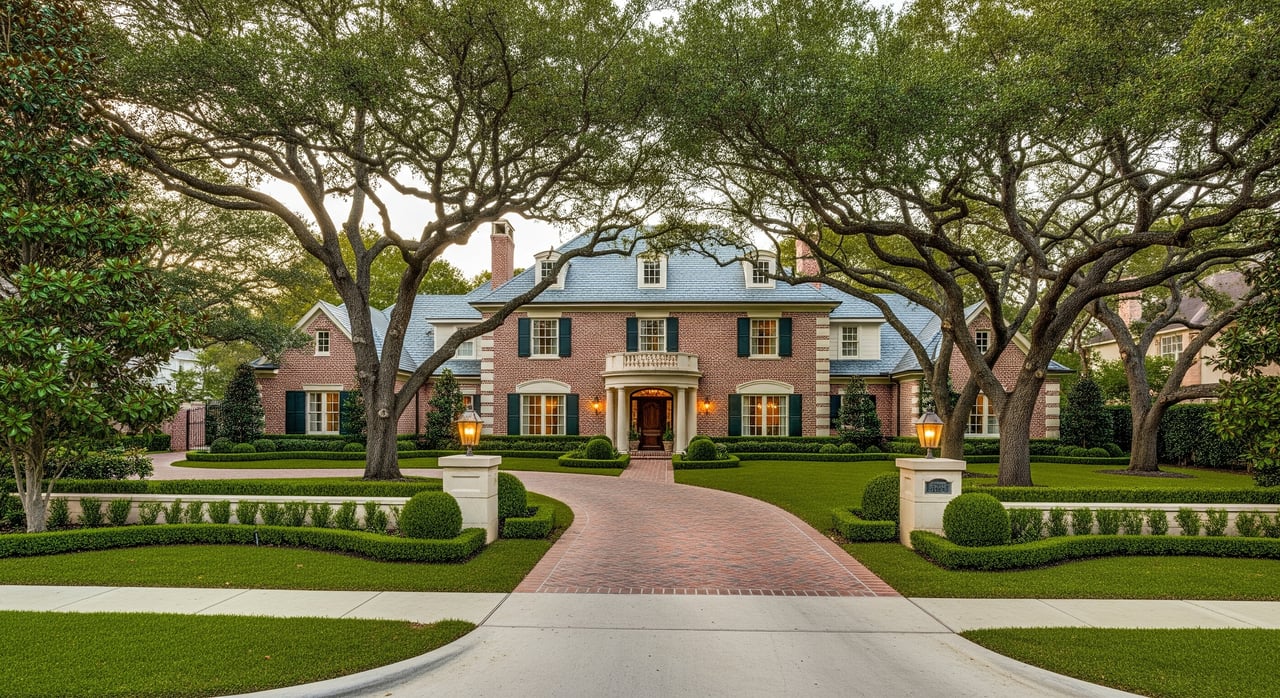
Thinking about expanding or building in Tanglewood? The charm of the neighborhood comes with layers of rules that shape what you can design and where you can place it. If you want a smooth process, you need clarity on lot sizes, setbacks, build lines, deed restrictions, easements, and who approves what. In this guide, you’ll learn how to confirm your lot’s true boundaries, which documents control design, and the right sequence for approvals and professionals. Let’s dive in.
Tanglewood lots: what to expect
Tanglewood is an established neighborhood with wide variety in lot size, depth, and shape. Older sections often feature larger, deeper lots, while subdivided parcels can be smaller. Corner and pie-shaped lots are common, and driveway locations and mature trees can influence the usable footprint.
Do not rely on neighborhood averages or online summaries to plan a design. Always verify with a current boundary survey and the recorded plat. The Harris County Appraisal District lists lot area for tax purposes, but it is not a legal boundary. Start with the HCAD record for general context and then confirm details with a surveyor.
- Review the lot’s property record via the Harris County Appraisal District.
- Pull the recorded subdivision plat through City or county record tools.
- Order a current, stamped boundary survey. For complex projects, consider an ALTA/NSPS survey.
Setbacks, build lines, and easements
- Setback: The minimum distance from a property line where a structure may be built.
- Build line: A line on the recorded plat that a building cannot cross. It often controls the front yard depth and sometimes sides.
- Easement: A recorded right for access or utilities over part of your lot. Building in an easement typically requires formal consent from the easement holder.
- Variance: Case-by-case permission to deviate from a standard. Variances for platted build lines or setbacks are often difficult.
These controls shape your buildable area. Even small differences between lots on the same block can change the final design.
Where the rules come from in Tanglewood
- Recorded subdivision plats: The plat often shows front build lines and platted setbacks that apply to specific lots. You can research plats through the City’s Planning and Development Plat Tracker or county records.
- Deed restrictions and covenants: Many Tanglewood sections have recorded restrictions that set setbacks, heights, materials, lot coverage, and design standards. They are private obligations enforceable by owners or an association, separate from City permitting. For statutory background, see Texas Property Code Chapter 202 on restrictive covenants.
- City of Houston building codes and permits: The City reviews plans for building safety, life safety, floodplain, drainage, and related requirements. Start with the City of Houston Permitting Center to understand permit triggers.
- Easements: Public utility, drainage, and sanitary easements appear on plats or separate recorded documents and limit what you can build in those areas.
Houston does not use conventional citywide zoning, so plats, covenants, and easements play an outsized role in what you can build.
Architectural controls and approvals
If your property is covered by an HOA or civic association with an Architectural Control Committee, you will likely need plan approval before the City issues permits. Submittals often include a site plan, elevations, materials, and landscape or fence details.
Approval timelines vary by association. Many committees meet monthly and require complete packages before review. City permitting is a separate step. You generally need both ACC approval and City permits to proceed.
Floodplain, trees, and utilities
Floodplain status affects finished floor elevations, foundations, and review times. Check FEMA maps early and confirm local requirements through the City and the Harris County Flood Control District:
- Review FEMA flood zones via the FEMA Flood Map Service Center.
- See City requirements on the City of Houston Floodplain Management page.
- Explore local floodplain and drainage context using the Harris County Flood Control District Flood Education Mapping Tool.
Mature trees are common in Tanglewood. Tree preservation may be required by covenants or the ACC. Public trees in the right-of-way are regulated by the City during construction. Utilities and public utility easements often sit along rear or side lot lines, which can limit additions, pools, and garage placement.
Driveways, curb cuts, and parking
Driveway locations and additional curb cuts may be regulated by association rules and City right-of-way standards. If you plan to add or move a driveway, confirm the process with the association and the City before drafting.
Your pre-design checklist
Gather these items before hiring an architect or drawing plans:
- Current, signed boundary survey; consider ALTA/NSPS for large or complex projects.
- Recorded subdivision plat and any platted easements. You can search City plat records via the Plat Tracker and recorded documents via the Harris County Clerk Real Property search.
- Recorded deed restrictions and all amendments.
- Title commitment showing easements and exceptions.
- HCAD property record for lot area and tax context via HCAD.
- FEMA and local floodplain data via the FEMA Flood Map Service Center and the City’s Floodplain Management page.
- HOA/ACC design guidelines, application forms, and meeting calendar.
Field checks to complete:
- Verify fences, monuments, visible utilities, and tree drip lines against the survey.
- Confirm ground elevations at corners and near the proposed footprint for drainage planning.
Who to consult and when
Engage these professionals early, in this general order:
- Licensed surveyor to establish boundaries and easements.
- Architect or residential designer familiar with Tanglewood covenants and the City process.
- Civil engineer for grading and drainage if required.
- Structural engineer for complex foundations or floodplain conditions.
- HOA/ACC contact to confirm submittal requirements and timelines.
- City of Houston Development Services or a permitting specialist to confirm reviews and permits.
- Title company or real estate attorney for questions about ambiguous easements or covenant language.
Variances and exceptions: practical reality
Encroachments into a platted setback, build line, or recorded easement usually trigger complex requests. Options can include seeking easement releases, covenant amendments, or City variances. In practice, obtaining relief from recorded documents is difficult and time consuming. Most owners find it faster and less costly to redesign to comply.
Timelines: what to expect
ACC reviews commonly take 2 to 8 weeks once a complete submittal is in. City permitting for a new single-family home can take several weeks to months depending on plan completeness, floodplain status, and whether civil and residential plans are reviewed separately. Build this timeline into your purchase or construction schedule.
Plan with a trusted local advisor
Buying in Tanglewood with plans to remodel or build calls for a clear roadmap. Start with the survey and plat, confirm covenants, and coordinate early with the ACC and the City. If you want a confidential strategy and vetted local referrals, reach out to Albert Cantu to discuss your goals and timeline.
FAQs
What should I verify first for a Tanglewood build?
- Start with a current boundary survey and the recorded subdivision plat, then confirm deed restrictions, easements, and floodplain status before drafting any plans.
Do HOA/ACC approvals replace City of Houston permits?
- No. ACC approval is a private covenant requirement, and City permits enforce building and safety codes. You generally need both approvals to proceed.
Can I rely on HCAD lot dimensions for design in Tanglewood?
- No. HCAD is helpful for general lot area, but design should be based on a current, stamped boundary survey and the recorded plat.
How long do design approvals typically take in Tanglewood?
- ACC reviews often take 2 to 8 weeks once complete, and City permitting for new homes can run several weeks to months depending on scope and floodplain reviews.
What if my Tanglewood lot is in a FEMA flood zone?
- Expect elevated finished floor requirements and possible engineering for drainage or foundations. Verify your zone via the FEMA map and confirm City floodplain requirements early.