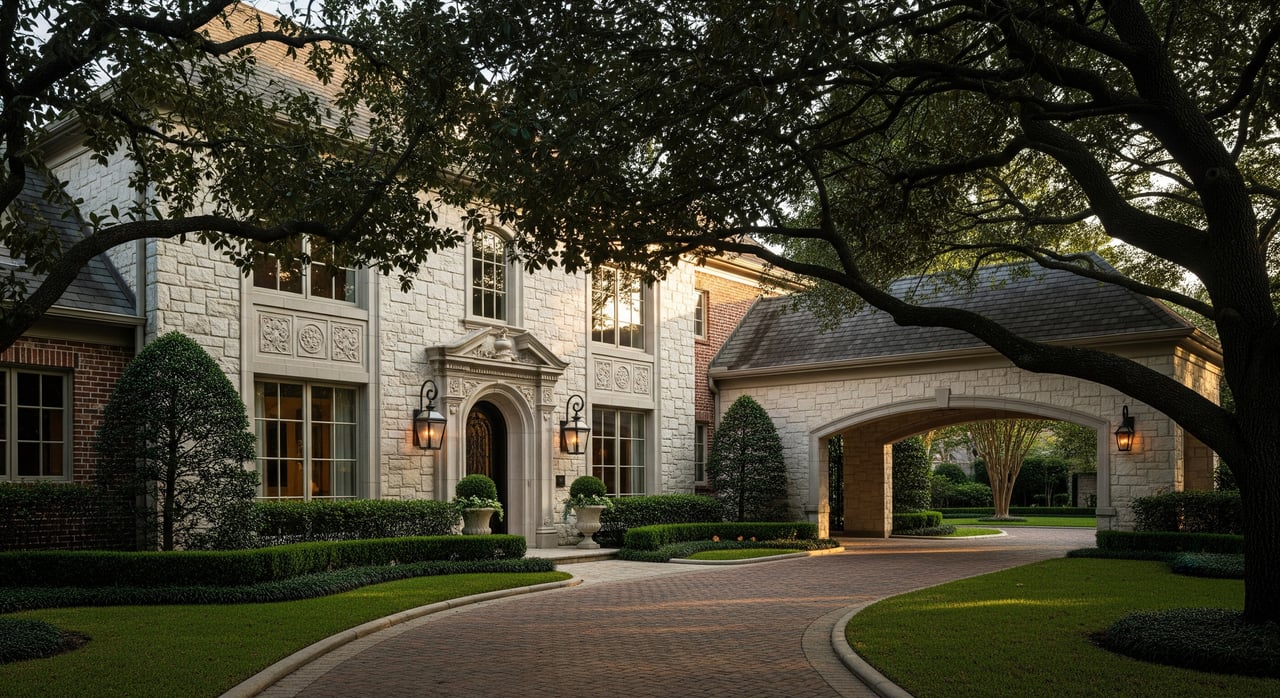
Choosing between River Oaks and Tanglewood can feel like picking between two exceptional versions of Houston luxury. You have top-tier addresses, mature trees, and beautiful homes in both, but the day-to-day experience is different. If you want clarity on lot size, privacy, commute patterns, remodeling potential, and neighborhood rules, you are in the right place. This guide breaks down practical differences so you can focus on the lifestyle that fits you best. Let’s dive in.
River Oaks at a glance
River Oaks is Houston’s long-established prestige neighborhood inside the 610 Loop. It is known for formal, curving streets, estate lots, and an urbane feel near high-end retail and cultural destinations. You will see a mix of restored historic homes alongside new, mansion-scale construction.
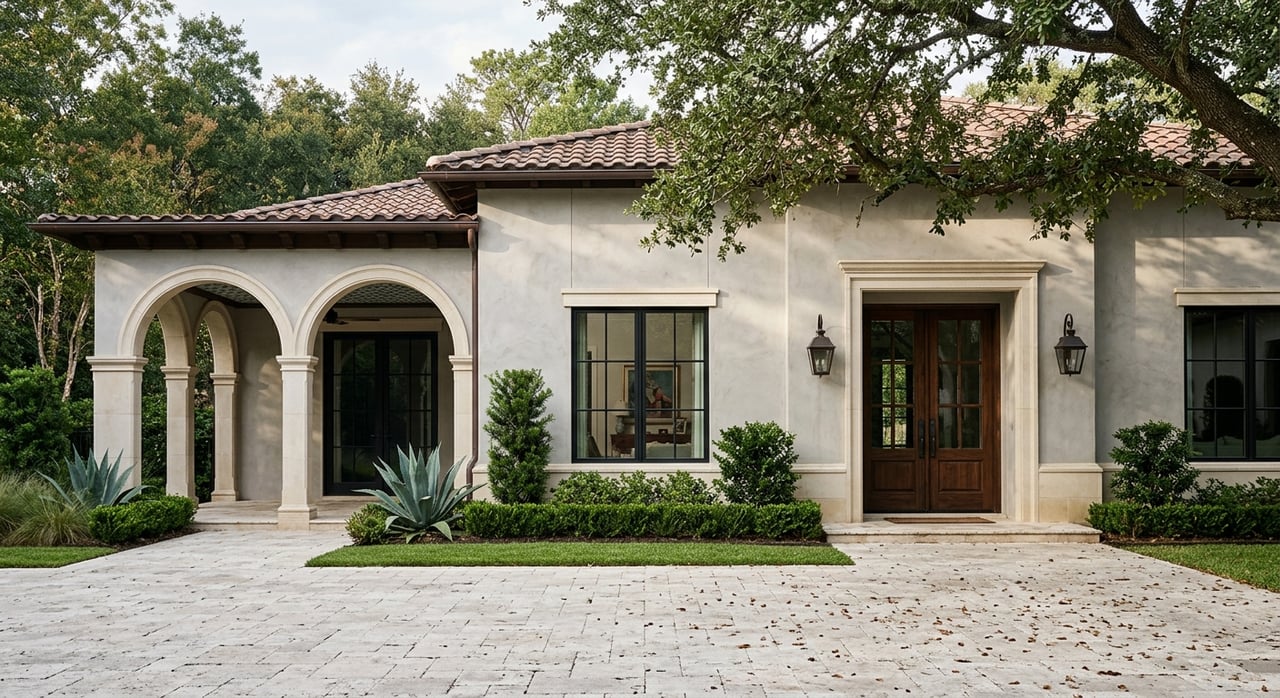
Architecture ranges from Georgian and Tudor to Mediterranean and contemporary. Many blocks feature continuous sidewalks, formal landscaping, and defined entries that convey a classic streetscape. Some streets closer to shopping and dining feel more active, which suits buyers who enjoy a refined, urban-adjacent lifestyle.
Tanglewood at a glance
Tanglewood was developed in the mid-20th century and delivers a more private, suburban feel with deep lots and winding residential streets. It sits near the Uptown/Galleria area, which shapes how residents shop, dine, and commute.
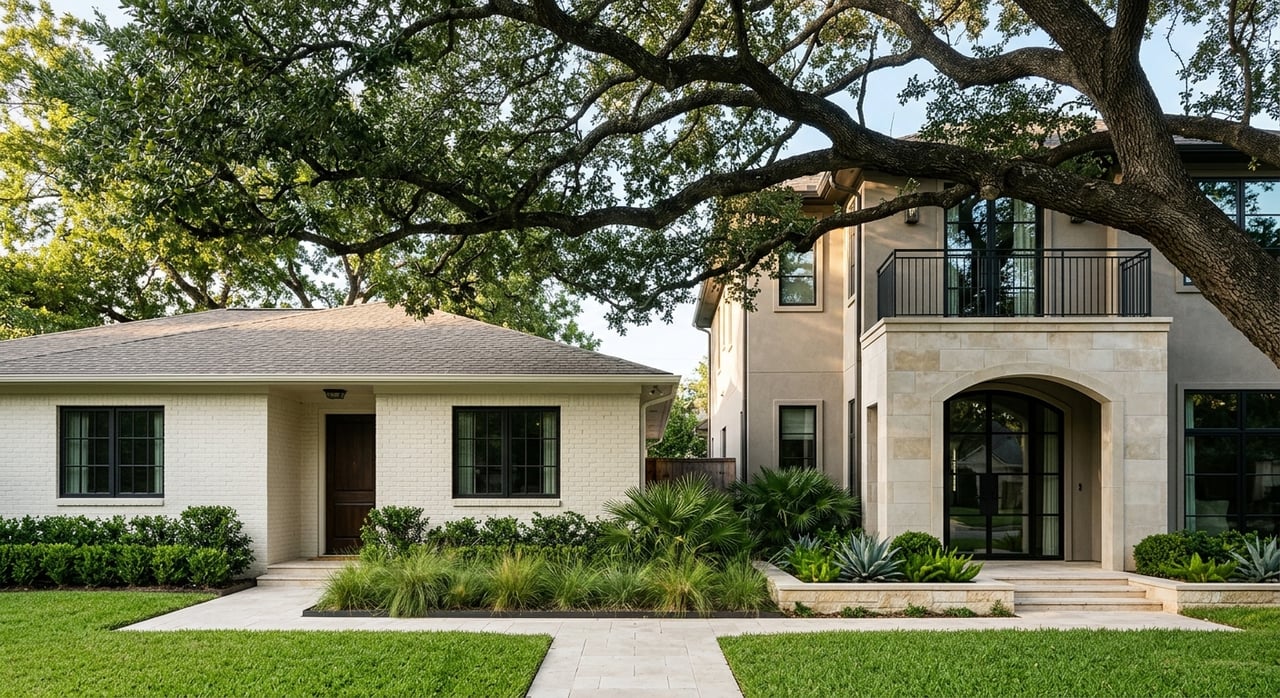
You will find remodeled mid-century ranch and traditional homes alongside newer estates. Curved streets, generous front setbacks, and mature oaks enhance privacy and quiet. Compared with River Oaks, Tanglewood often feels less formal and more secluded from commercial edges.
Lots and home potential
Both neighborhoods offer large lots by Houston standards, but the typical mix differs.
- River Oaks often features estate-size parcels, including some narrower depths near certain boulevards. You will see classic estates and high-end new builds side by side. If you value historic charm or want a signature address, this area stands out.
- Tanglewood commonly offers deeper lots with spacious rear yards. Many buyers choose it for outdoor amenities such as pools, guest structures, or larger detached garages. If you want more space and separation from neighbors, Tanglewood often makes that easier.
If you are considering a teardown or major addition, verify lot dimensions through the deed or appraisal records, then confirm setback and building coverage standards in the neighborhood’s recorded restrictions before you tour. This early step helps you understand what is possible on your short list.
Architecture and renovation paths
- River Oaks has a strong inventory of architecturally significant homes suited to restoration. New construction values trend high because the neighborhood’s prestige and location support substantial investments. Some blocks emphasize preserving streetscape character.
- Tanglewood’s mid-century stock invites updates and expansions, and lot depth often eases design for pool houses, guest quarters, and backyard amenities. The overall pattern favors privacy-forward layouts with generous yard space.
Daily life and commute
Location and routine can be decisive factors.
- Access to Uptown/Galleria: Tanglewood generally provides quicker, simpler drives to the Galleria and nearby office towers. If your day revolves around Uptown, this convenience can be a major win.
- Access to Downtown and cultural hubs: River Oaks typically offers faster travel to downtown, nearby museums, and inner-loop dining. If you frequent these destinations, its centrality pays off.
Traffic changes by time of day. Both neighborhoods rely on major corridors like Westheimer, San Felipe, Post Oak, and the 610 Loop. If commute time matters, plan a test drive during your actual peak hours.
Walkability varies block by block. River Oaks has pockets near high-end retail and dining that feel more pedestrian friendly. In Tanglewood, short drives to shopping are common, and the residential streets lean quieter.
Deed restrictions and governance
Houston does not have conventional citywide zoning. In both River Oaks and Tanglewood, neighborhood character is shaped by deed restrictions, private covenants, and association rules. Before you tour or write an offer, gather the documents that define what you can build or remodel.
Request and review:
- Recorded deed restrictions for the specific lot or block
- Any active HOA or property owners’ association rules and bylaws
- Architectural Review Board process and timelines, if applicable
- Tree protections or conservation overlays, if present
- Enforcement practices, assessments, and compliance history
Common restriction topics include minimum setbacks, lot coverage limits, fences and wall heights, accessory structures such as guest houses or pool houses, driveway and curb cut rules, and any rental limitations. Pair this review with a current survey and a title commitment to identify easements, encroachments, and exceptions early.
Price positioning and value signals
River Oaks carries a historic prestige that often commands some of the highest per-square-foot pricing in Houston. The address, formal streetscape, and proximity to inner-loop amenities support premium valuations. Buyers focused on legacy properties or renowned streets may prioritize River Oaks.
Tanglewood often offers larger footprints and a more secluded residential setting at a compelling overall value compared with the most coveted River Oaks blocks. If your top priorities include privacy, deep yards, and outdoor amenities, Tanglewood frequently aligns with those goals.
Inventory at the top end can be tight in both areas, with frequent teardowns and luxury new builds. If you are targeting a specific block or lot configuration, be prepared for limited options and act decisively when the right property hits the market.
Flood risk and insurance checks
Flood risk in Houston is parcel specific. Do not assume inner-loop addresses are risk free. In both neighborhoods, some properties have past flood history while others sit outside mapped floodplains.
Smart steps include:
- Review FEMA and local floodplain maps
- Request an Elevation Certificate if the property is in or near a flood zone
- Ask for any past flood claims and documentation of drainage or foundation improvements
- Confirm insurance requirements and quotes, even if a property lies outside the mapped floodplain
These checks help you compare homes apples to apples and avoid unpleasant surprises in underwriting or ownership.
How to tour like a pro
Approach luxury touring with a plan and a discreet process.
Pre-tour due diligence:
- Gather deed restrictions, survey, title commitment, HOA bylaws and minutes, and flood status
- Drive the neighborhood at multiple times of day to gauge traffic, noise, parking, and evening activity
- Review recent sales on the same block to understand restore vs teardown economics
On-site observations:
- Lot and site: usable backyard area, lot shape, mature trees, side yard separation, and orientation
- Street and frontage: curb appeal, setback consistency, sidewalks and lighting, and any sound from major roads
- Structure and systems: roof age, foundation condition, drainage clues, HVAC age, windows, and access to attic or crawlspace
- Permits and plans: request records for major work, additions, and recent inspections
Questions for sellers or associations:
- Current dues, enforcement practices, and any pending assessments
- Architectural review steps, expected timelines, and typical conditions for approval
- Flood claim history and any mitigation or elevation changes
- Upcoming infrastructure projects or nearby development proposals that could affect the block
Negotiation and timeline notes:
- Build time into your offer for disclosures, HOA documents, and ARB review if you plan to renovate
- Budget for site-specific items on remodels such as tree mitigation, utility relocations, or deep foundations
- If privacy is critical, consider confidentiality agreements and off-market previews through a trusted advisor
Which fits your lifestyle?
- Choose River Oaks if you want a prestigious inner-loop address, historic or architecturally significant homes, and close access to downtown and cultural destinations. You are comfortable with a more formal streetscape and active nearby retail clusters.
- Choose Tanglewood if you want deeper lots, quieter curving streets, and quick access to Uptown/Galleria. You value privacy, outdoor amenities, and a more suburban residential feel within reach of city conveniences.
Both choices are excellent. The right fit comes down to daily routine, desired privacy, and how you plan to use your lot. If you narrow your focus to a few blocks in each neighborhood and apply the due-diligence steps above, the answer usually becomes clear.
Ready to compare specific properties with discretion and depth? Schedule a private consultation with Albert Cantu to align your lifestyle goals with the right home and block.
FAQs
Is Tanglewood better for an Uptown commute?
- Yes. Tanglewood generally offers closer, quicker access to the Uptown/Galleria employment and retail area.
Does River Oaks have more historic homes?
- Typically yes. River Oaks has a stronger inventory of architecturally historic homes suited to restoration, alongside high-end new construction.
Where will I find larger, deeper lots?
- Tanglewood commonly provides deeper lots and greater backyard potential, which many buyers choose for pools, guest spaces, and privacy.
How are rules enforced without Houston zoning?
- Houston relies on deed restrictions, private covenants, and association rules. Request the recorded restrictions and any architectural review guidelines for the specific lot before you tour.
Should I worry about flooding in these areas?
- Evaluate risk for each parcel. Review FEMA maps, request an Elevation Certificate when applicable, check any prior flood claims, and confirm insurance quotes with your lender and insurer.