If you are trying to buy in Greater Heights, you have probably felt the tension already. The right home can still move quickly, even as the market shows signs of becoming more balanced. That mix can make it hard to know when to move fast, when to hold your line, and how to write an offer that feels strong without taking on more risk than you should. In this guide, you will learn how to compete intelligently in Greater Heights, what makes an offer more attractive to a seller, and where to set your limits before emotions take over. Let’s dive in.
Why Greater Heights Still Feels Competitive
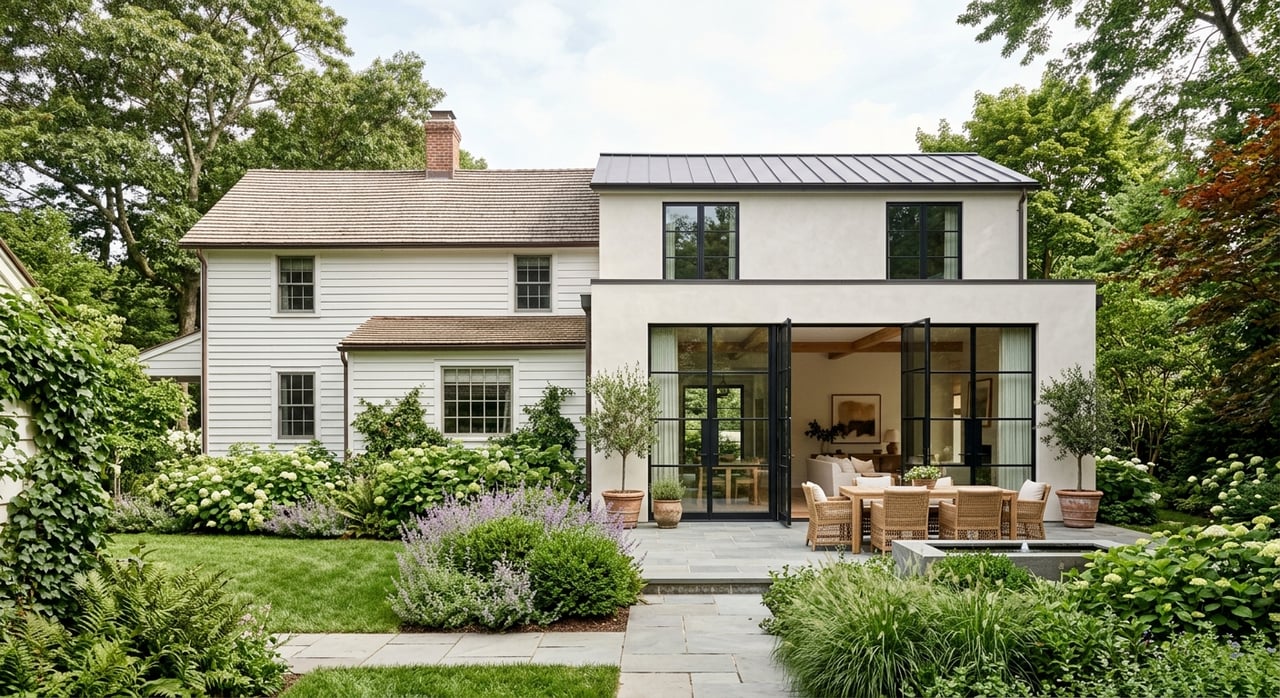
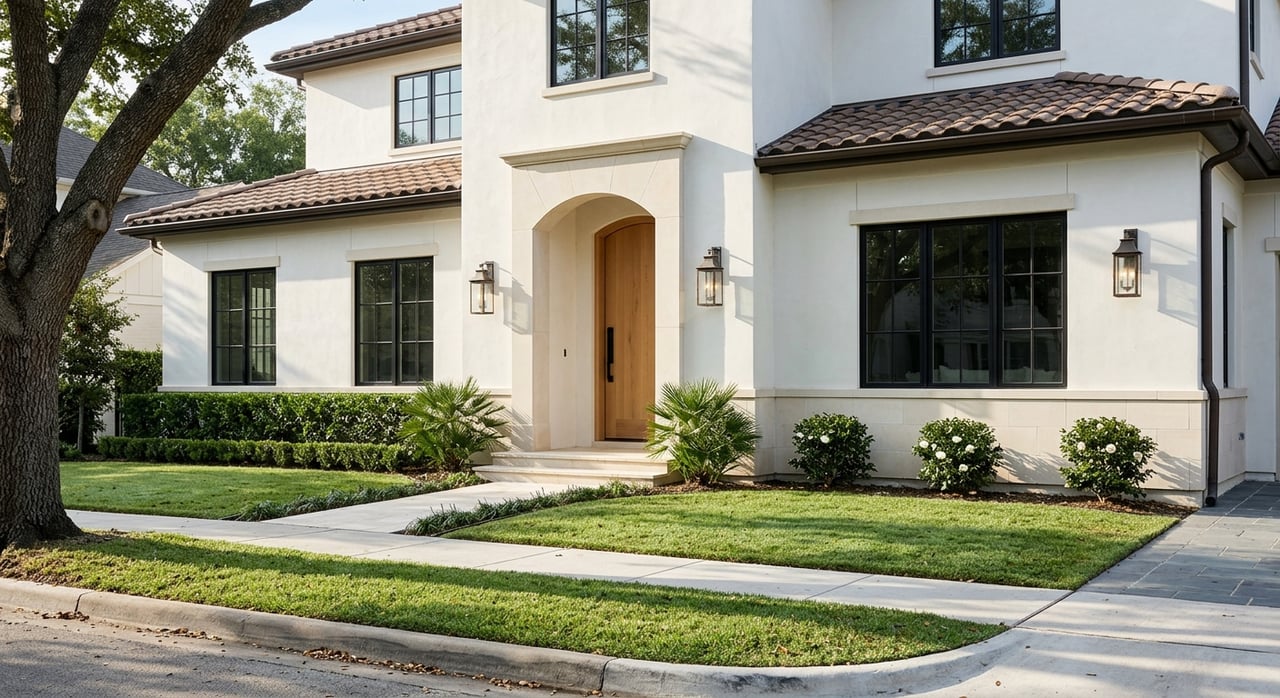
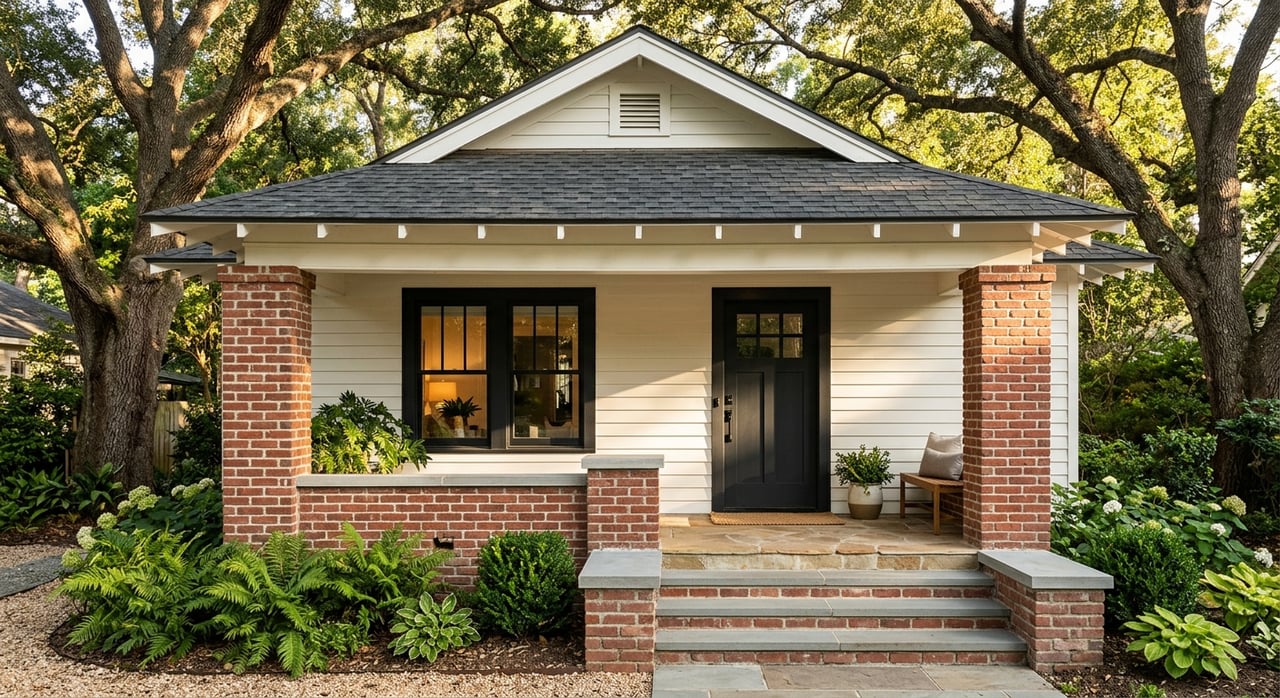
Greater Heights continues to attract buyers because of its close-in location, access to downtown, and long-established housing character. The City of Houston notes that the area includes Houston Heights and surrounding sections developed across several decades, with older homes, renovated bungalows, and newer condos all part of the local mix.
That variety is part of the appeal, but it also means two homes on the same day can attract very different levels of attention. A well-prepared buyer may have more room to negotiate on one property, while another home draws immediate interest because of condition, design, or pricing.
Recent HAR data suggests the market is no longer at peak frenzy, but it is not slow. Inventory in Greater Heights moved from 3.6 months in February 2026 to 4.9 months in May 2026, while average days on market stayed in the mid-30s and the median sold price remained around $840,000 to $849,000.
That matters because it points to a market that is calmer than a pure bidding-war environment, yet still fast-moving for desirable homes. In other words, you may not need to overreact to every listing, but you do need to be ready when the right one appears.
Start With Financing Strength
If you want to compete well, your financing needs to be more than a rough estimate. A true preapproval carries more weight than a prequalification because it shows a lender has tentatively reviewed your financial profile up to a certain loan amount.
That does not mean your loan is guaranteed, but it does signal seriousness to a seller. It also helps you avoid wasting time on homes that stretch beyond your comfortable range.
Preapproval letters also have a shelf life. CFPB says they often expire within 30 to 60 days, so if your home search extends over time, you may need to refresh your paperwork before you write.
For serious buyers, it also makes sense to compare lenders early. CFPB recommends asking at least three lenders for preapproval so you can evaluate pricing, responsiveness, and closing cost differences before you go under contract.
Why Sellers Care About Preapproval
In a multiple-offer situation, sellers can review and negotiate several offers at the same time under Texas practice. That means they are not only looking at price. They are also looking for the offer that appears most likely to close with the fewest surprises.
A current preapproval, clean documentation, and a realistic timeline can make your offer feel more certain. In many cases, that kind of clarity helps you more than simply making a higher offer without a strong financial story behind it.
Build a Stronger Offer Package
When a home in Greater Heights is especially desirable, your offer needs to look organized and credible from the start. Sellers and listing brokers often move quickly, and confusion can weaken your position.
A stronger offer usually combines several factors:
- A current preapproval letter
- Clear and complete paperwork
- A price you can truly support
- A timeline that matches the seller’s needs when possible
- Thoughtful due diligence terms that still protect you
Texas sellers may review multiple offers at once, so the goal is not only to be aggressive. The goal is to be easy to understand and realistic to accept.
Speed Matters, But So Does Clarity
Fast action can help in Greater Heights, especially for homes that are updated, well-located, or priced well. Still, speed without a plan can backfire if you make decisions you later regret.
Before you submit an offer, know your ceiling, your ideal terms, and your fallback position. That way, if you are asked for a counter or best-and-final response, you can move quickly without making emotional decisions under pressure.
Decide Your Price Ceiling Before You Offer
One of the most common buyer questions is how much to offer over asking. In reality, there is no fixed formula for Greater Heights.
A smarter approach is to decide your maximum based on three things: your budget, your comfort with appraisal risk, and how much contract protection you are willing to keep. That number should be set before you write, not after you hear there are competing offers.
This matters even more in a neighborhood where prices are already elevated. With median sold prices in the mid-$800,000s, a quick decision to go higher can have a meaningful impact on your down payment, monthly payment, and cash needed to close.
Understand Appraisal Risk Early
In a competitive market, buyers sometimes agree to a price that is higher than what the lender’s appraisal later supports. Fannie Mae explains that an appraisal is an independent opinion of value that lenders usually require.
If the appraisal comes in below the contract price, several things can happen. You may try to renegotiate, bring more cash to closing, appeal the valuation, or walk away if your contract allows.
CFPB also notes that a low appraisal can complicate financing because it may change how much the lender is willing to approve. That is why your offer price should reflect not just what you want to win with, but what you can comfortably carry if the valuation comes in lower than expected.
Use The Option Period Wisely
Texas gives buyers an important due-diligence tool through the option period. TREC explains that the termination option is a negotiable contract term, and when you pay the option fee, you gain the unrestricted right to terminate during that period by giving written notice.
That creates a practical safety valve in a competitive environment. It lets you move forward decisively while still preserving time to inspect the property and evaluate whether the home makes sense.
For many buyers, this is a better way to stay competitive than removing due diligence entirely. You may choose a shorter or more strategic option period depending on the situation, but the key is understanding what protection you are keeping and why.
Schedule Inspections Immediately
Once you are under contract, do not treat the inspection window casually. CFPB advises buyers to schedule the inspection as soon as possible, attend if they can, and use the results to decide whether to proceed or negotiate.
That guidance is especially important in Greater Heights because the housing stock varies so much. Older bungalows, renovated homes, and newer condos can each carry different inspection priorities.
For older homes, major systems often matter more than cosmetic appeal. Foundation, roof condition, mechanical systems, and the quality of any past renovation work may deserve close attention before you make final decisions.
Be Careful With Escalation Clauses
Escalation clauses can sound appealing when you are trying to compete without blindly overshooting. In theory, they let your offer rise above a competing bid up to a limit.
In Texas, though, buyers should approach that strategy carefully. TREC warns that language affecting contract rights or remedies should not be drafted by a license holder, and clients who want escalation-clause language should consult an attorney.
That does not mean an escalation approach is always off the table. It means you should have legal language reviewed before it ever becomes part of your offer strategy.
Know When To Walk Away
Winning is not the same thing as buying well. In a market like Greater Heights, one of the most important buyer skills is knowing when a deal no longer serves your goals.
The clearest walk-away points usually show up when the condition or the numbers stop making sense. If the appraisal comes in low and the extra cash needed would push you beyond your comfort zone, that is a serious signal to pause.
The same is true if the inspection reveals major defects you do not want to inherit. CFPB notes that significant issues can justify walking away if your contract allows cancellation after inspection, and both CFPB and Fannie Mae support renegotiation or exit when the economics stop working.
Set Your Limits Before Emotions Rise
The best time to decide what you will not accept is before you fall in love with the house. That includes your maximum purchase price, how much appraisal gap you could cover, and what inspection findings would make you step back.
When those limits are set in advance, you can act quickly without losing discipline. That is often what separates a smart purchase from an expensive mistake.
A Better Way To Compete In Greater Heights
Buying in Greater Heights today is less about making the loudest offer and more about making the clearest one. The market appears more balanced than it did at peak intensity, but attractive homes can still move fast, and sellers still favor certainty.
That means your advantage comes from preparation. Strong financing, realistic pricing, a well-managed option period, and quick inspection follow-through can help you compete without giving away every protection.
In a neighborhood where housing style, age, and pricing can vary block by block, a measured strategy matters. If you are planning a purchase in Greater Heights, working with an advisor who understands Inner Loop dynamics can help you move quickly while still protecting your position.
If you are preparing to buy in Greater Heights and want a more tailored offer strategy, Albert Cantu offers private, concierge-level guidance designed to help you compete with clarity and confidence.
FAQs
How competitive is the Greater Heights housing market right now?
- Recent HAR data shows inventory increased from 3.6 months in February 2026 to 4.9 months in May 2026, which suggests a more balanced market than a peak bidding-war period, though desirable homes can still move quickly.
What makes a buyer offer stronger in Greater Heights?
- A stronger offer usually combines a current preapproval letter, clear paperwork, a realistic timeline, and terms that balance competitiveness with your need for protection.
Should you waive the inspection when buying in Greater Heights?
- Texas buyers often have the option to use an option period for due diligence, which is generally a safer way to stay competitive than removing inspection protections entirely.
What happens if a Greater Heights home appraises low?
- If the appraisal is below the contract price, you may try to renegotiate, bring more cash, appeal the value, or walk away if your contract terms allow it.
Are escalation clauses a good idea for Greater Heights buyers?
- They can sometimes help, but in Texas any escalation-clause language should be reviewed by an attorney because TREC warns against license holders drafting language that affects contract rights or remedies.
How quickly should you schedule a home inspection in Greater Heights?
- You should schedule it as soon as possible after going under contract so you have time to review the property condition, negotiate if needed, and decide whether to move forward during your option period.