Thinking about buying in Bellaire from out of town? You are not alone, and you are right to look closely before making a decision. Bellaire offers a rare mix of central location, established residential streets, and high-end housing, but it is also a city where block-by-block differences can matter. This guide will help you understand Bellaire’s housing landscape, what remote buyers should review before touring, and how to narrow your search with more confidence. Let’s dive in.
Why Bellaire stands out
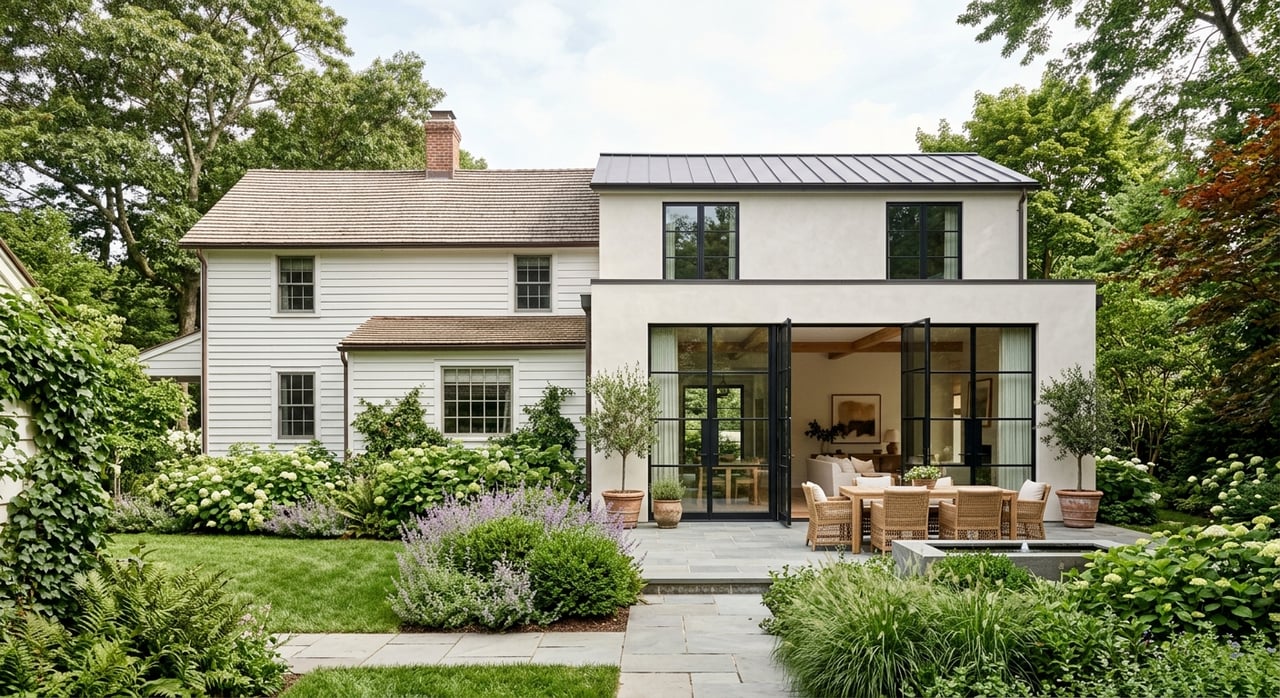
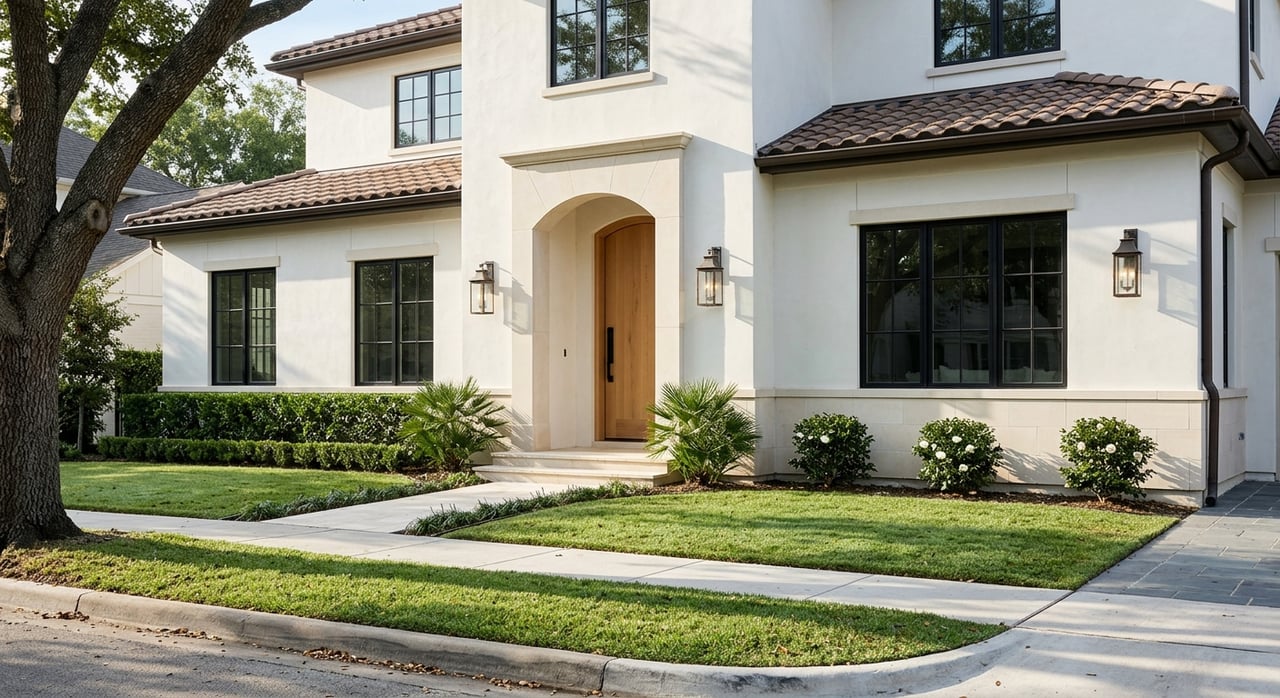
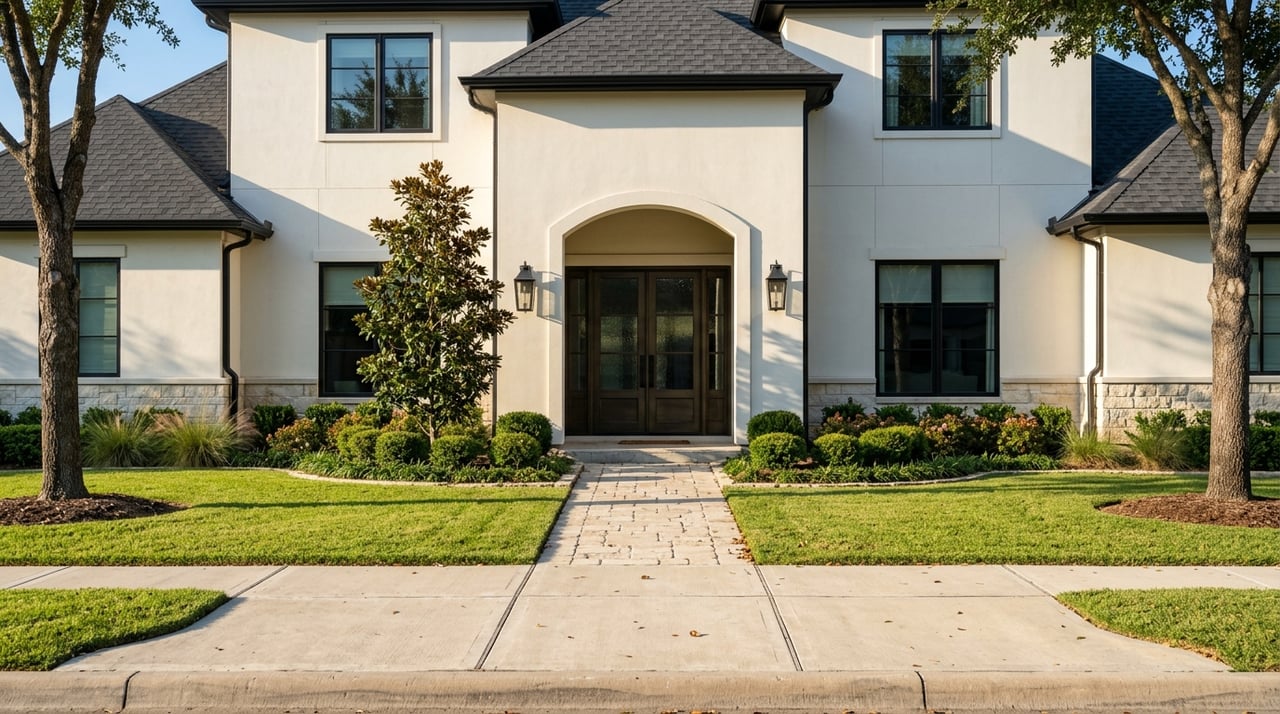
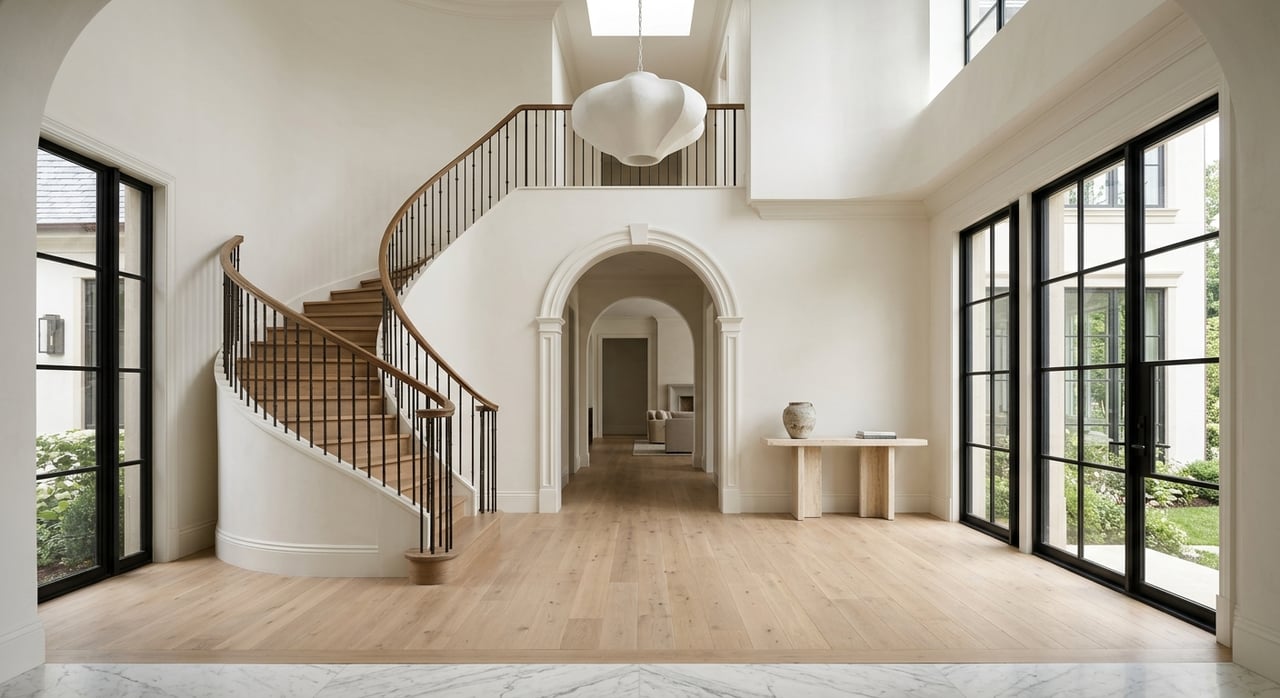
Bellaire is a compact, mostly residential city in southwest Houston with about 6,000 homes. According to the city, the housing stock includes 1950s and 1960s ranch homes alongside newer large custom homes, with prices ranging from roughly $350,000 to well over $2 million.
For many remote buyers, location is the first draw. Bellaire is minutes southwest of downtown Houston and the Galleria, which makes it appealing if you want easier access to major business and lifestyle hubs without feeling far removed from the city.
Bellaire also sits in a higher price segment. HAR data showed median sold prices of $1,332,500 in March 2026 and $1,482,500 in April 2026 for single-family homes, so it helps to approach your search with expectations aligned to a luxury-leaning market.
Know Bellaire’s housing mix
One of the biggest mistakes remote buyers make is assuming Bellaire feels the same across the city. It does not. Bellaire’s comprehensive plan identifies several character areas, and those distinctions can shape lot size, home style, density, and the feel of each pocket.
The result is a city that offers more variety than many buyers expect. You may find deeper suburban-style lots on one stretch, more classic residential blocks in another, and smaller-lot or attached-home options closer to mixed-use corridors.
Suburban-style pockets
Southwest Bellaire and streets west of South Rice tend to read as the most suburban parts of the city. The comprehensive plan describes these areas as having deeper and wider lots, more separation between homes, and side- or rear-loaded garages.
Examples in this pattern include streets such as Braeburn, Pine, Valerie, Holly, and Maple west of South Rice Avenue. If you are relocating and want a more spacious lot pattern, this is often a useful starting point for your shortlist.
Classic residential areas
South of Bellaire Boulevard and between South Rice and Newcastle, you will find much of Bellaire’s classic General Residential fabric. The city describes these areas as typically reflecting about five units per acre, with less open space than the larger suburban pockets.
Even so, the plan notes that mature trees and landscaping help keep these areas from feeling overly urban. For buyers who want an established setting with a traditional Bellaire feel, these blocks often deserve a closer look.
Estate-like pockets
Bellaire also includes estate-style areas with larger lots and greater separation between homes. The comprehensive plan points to Maple west of Loop 610, the east side of Mulberry north of Bellaire Boulevard, and the Bellaire Boulevard Estate Overlay as examples.
In these areas, lots are generally one acre or more. If your priority is scale, privacy, and a more expansive homesite, these pockets may align well with your search.
Smaller-lot and attached options
Not every remote buyer wants the maintenance or price point that can come with a large lot. Bellaire also has smaller-lot and attached-home options in select areas.
The city describes Small-Lot Residential areas as places where 5,000-square-foot lots can support detached homes, townhomes, duplexes, and patio homes. Examples include White Street near West Loop 610 and Bellaire Boulevard, along with the Pin Oak Square townhome development near Fournace and Innsbruck.
Understand zoning and land use
Bellaire is a zoned community, which is important for buyers coming from places where land use may work differently. The city says R-1 districts allow only single-family detached homes, while UV-D districts allow a mix of commercial, office, civic, and entertainment uses.
That said, the city’s future land use map is a planning guide, not a zoning map. In practical terms, that means you should not assume a planning label alone controls what can be built next to or near a property.
For remote buyers, this matters when comparing homes near major corridors or transitional areas. A home can feel very different depending on whether it sits deep within a primarily residential pocket or closer to a mixed-use edge.
Mixed-use corridors to watch
Bissonnet and South Rice are treated in the city’s plan as Corridor Mixed Use areas. The plan says townhomes, condos, brownstones, lofts, and apartments may be considered there through Planned Development.
The North Bellaire Special Development Area, located between West Loop 610 and South Rice, is also positioned as a redevelopment buffer between higher-intensity uses and nearby residential neighborhoods. If you are buying remotely, this is exactly the kind of local context that should shape your tour plan and due diligence questions.
Commute access still matters for remote buyers
Even if you work from home most days, commute patterns still matter. They affect convenience, resale appeal, and how the home fits your weekly routine.
Bellaire’s central location is one reason many relocating professionals consider it. You are close to downtown Houston, the Galleria, and other major employment centers, which can make hybrid work easier.
Transit options to know
For access toward the Texas Medical Center, METRO Route 2 Bellaire is a key reference point. METRO says it runs every 15 minutes during most operating hours and serves the Texas Medical Center Transit Center, with many stops along Bellaire Boulevard and Holcombe Boulevard.
For Galleria, Uptown, and downtown-oriented travel, METRO Route 82 Westheimer is another major corridor. METRO says it runs every 8 minutes on weekdays and every 10 minutes on weekends, with destinations that include Uptown Houston and Downtown Transit Center.
Construction timing can affect visits
METRO’s 82 Westheimer BOOST project is under construction through April 2027 on the Interstate 610 to Highway 6 segment. If you are planning a visit, inspection window, or final walk-through during that timeline, it is smart to leave extra room for commute variability.
Bellaire’s current plan also calls for a multi-modal transportation system that improves regional mobility and safety. That makes access and movement part of the buying conversation, not just an afterthought.
What remote buyers should review first
If you are buying from out of town, your goal is to reduce surprises before you ever step on a plane. In Bellaire, that starts with permits, flood review, and private restrictions.
Because Bellaire can vary significantly by pocket and even by address, a smart early review can save you time and help you focus only on homes that truly fit.
Check permit history
Bellaire’s Development Services department uses SmartGov for permits, document uploads, inspection requests, status tracking, and online payments. This creates a more structured path for reviewing property-related records and construction activity.
If a home has been expanded, rebuilt, or substantially updated, permit history can help you understand what work was done and whether the process appears consistent with city oversight. For new construction or major renovation homes, this is especially important.
Confirm occupancy status for new homes
The city says a Certificate of Occupancy is required before a new construction house is occupied or before a house is leased. If you are considering a newly built home or a property intended for near-term occupancy after closing, this should be part of your checklist.
For remote buyers, it is one more way to confirm where a home stands in the approval process before you commit to travel or timing decisions.
Review flood information by address
Flood review is essential in Bellaire. The city says floodplain work has special provisions, and it also maintains site-specific flood data and historical flooding information by neighborhood.
The city’s FAQ says you can request an elevation certificate from city records if one exists. If one does not exist, a Texas Registered surveyor can prepare it. Bellaire also points buyers to FEMA’s National Flood Hazard Layer Viewer and Harris County Flood Control mapping tools, while noting that Harris County’s tool should be cross-checked with FEMA by address for precision.
Ask about deed restrictions too
Bellaire says it does not enforce deed restrictions. That means city zoning is only part of the story.
As a remote buyer, you should review any private deed restrictions or plat notes along with zoning and flood information. This is especially helpful if you are thinking long term about renovations, additions, or other property changes.
A smart visit strategy for Bellaire
When buyers visit from out of town, there is a temptation to see as much as possible in one day. In Bellaire, a better approach is usually more focused.
Because the city has clear differences in lot patterns, housing types, and corridor influence, it makes sense to group tours by residential pocket rather than trying to cover the whole city in one loop.
A practical remote-buyer strategy often includes asking for these items before your trip:
- Permit history
- Flood zone details
- Elevation certificate, if available
- Private deed restrictions or plat notes
- Confirmation of occupancy status for new construction, if relevant
With those basics in hand, your visit can become more about fit and less about fact-finding. That is especially valuable in a market where many homes sit in a premium price range.
How to narrow your Bellaire shortlist
If you are still early in your search, start by ranking what matters most to you. In Bellaire, the biggest variables usually include lot size, housing style, proximity to major corridors, and tolerance for mixed-use surroundings.
A simple way to frame your shortlist is to ask:
- Do you want a deeper, more suburban-style lot?
- Do you prefer a classic residential block with mature landscaping?
- Are you looking for an estate-scale homesite?
- Would a townhome or smaller-lot property better fit your lifestyle?
- How important is quick access to downtown, the Galleria, or the Medical Center?
Those answers can help you focus on the right pocket faster. For remote buyers, that kind of clarity can make the entire process more efficient and more comfortable.
If you want a discreet, data-informed plan for buying in Bellaire from out of town, Albert Cantu can help you evaluate the right housing options, coordinate remote tours, and move through the process with concierge-level guidance.
FAQs
What should remote buyers know about Bellaire home prices?
- Bellaire is generally a high-price market, with HAR showing recent single-family median sold prices of $1,332,500 in March 2026 and $1,482,500 in April 2026.
What types of homes can buyers find in Bellaire?
- Bellaire includes older ranch homes, newer large custom homes, estate-style properties, smaller-lot detached homes, and some townhome-style attached options in select areas.
What should remote buyers check before touring a Bellaire home?
- You should review permit history, flood zone details, elevation certificate availability, private deed restrictions, and occupancy status for new construction if applicable.
What should buyers know about Bellaire zoning?
- Bellaire is a zoned community, and zoning can differ from the city’s future land use map, which is only a planning guide and does not itself set zoning boundaries.
What flood research matters when buying in Bellaire?
- Buyers should check city floodplain information, neighborhood historical flooding information, elevation certificate availability, and address-specific FEMA flood mapping, with Harris County Flood Control tools used as a supporting reference.
What commute options should Bellaire buyers consider?
- Buyers should consider Bellaire’s proximity to downtown and the Galleria, along with METRO Route 2 Bellaire for Texas Medical Center access and Route 82 Westheimer for Uptown and downtown access.